Oratory
The art of public speech in the ancient world
281 works in the library
Oratory was the supreme practical art of the ancient world. In democratic Athens and republican Rome, the ability to speak persuasively in the assembly, the courts, and the senate was the instrument of political power. The Greeks distinguished three branches: deliberative (political speeches before an assembly), forensic (legal speeches in court), and epideictic (speeches of praise or blame for ceremonial occasions). All three survive abundantly.
The Attic orators of the fourth century BC — Lysias, Isocrates, Demosthenes, and Aeschines among them — left a corpus that later scholars canonised as the "Ten Attic Orators." Lysias was admired for the apparent simplicity of his style and his ability to write in the voice of ordinary litigants. Demosthenes, the greatest of them all, combined intellectual rigour with passionate intensity in his speeches against Philip of Macedon — the Philippics and Olynthiacs — and in courtroom battles of extraordinary dramatic power.
At Rome, Cicero towered over all others. His speeches — from the early prosecution of Verres to the Philippics against Mark Antony — are masterpieces of Latin prose, deploying every resource of rhythm, argument, and emotional appeal. Cicero was also the genre's greatest theorist: his De Oratore, Brutus, and Orator defined the education, character, and technique of the ideal speaker. The younger Pliny and Tacitus continued the tradition into the Empire, though the transfer of real power from senate to emperor inevitably changed the nature and stakes of public speech.
Authors (29)
-
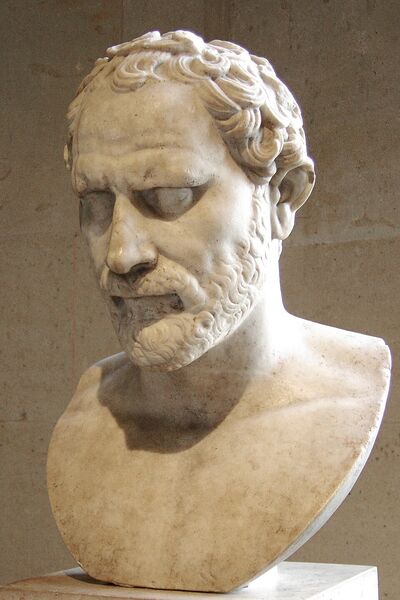 Demosthenes 384 BC – 322 BC63 works
 -
A
Aristides 117 AD – 181 AD55 works
-
 Lysias c. 445 BC – c. 380 BC34 works
 -
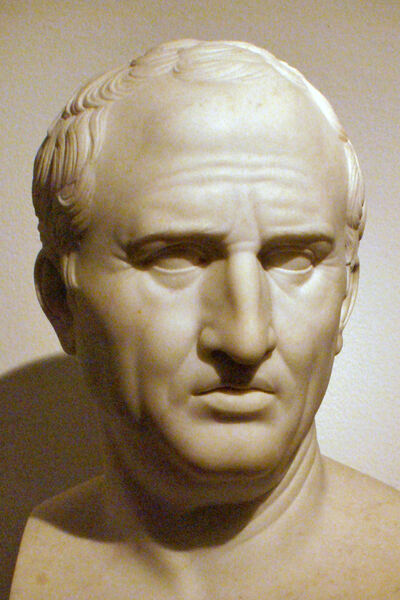 Cicero 106 BC – 43 BC30 works
 -
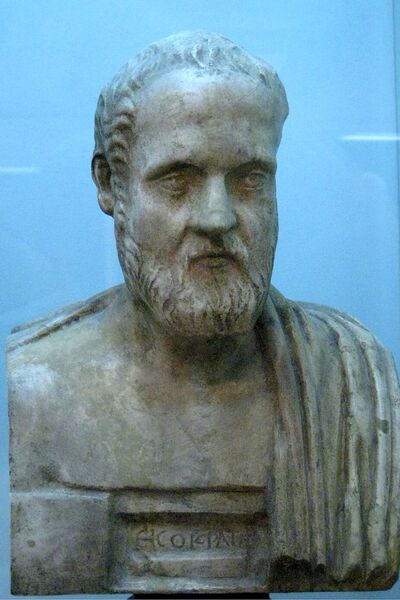 Isocrates 436 BC – 338 BC29 works
 -
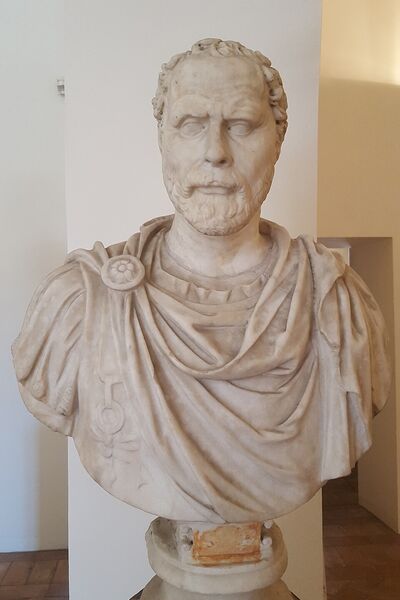 Isaeus c. 420 BC – c. 350 BC12 works
 -
G
Galen 129 AD – c. 216 AD11 works
-
 Hyperides 390 BC – 322 BC6 works
 -
A
Antiphon c. 480 BC – 411 BC5 works
-
A
Andocides c. 440 BC – c. 390 BC4 works
-
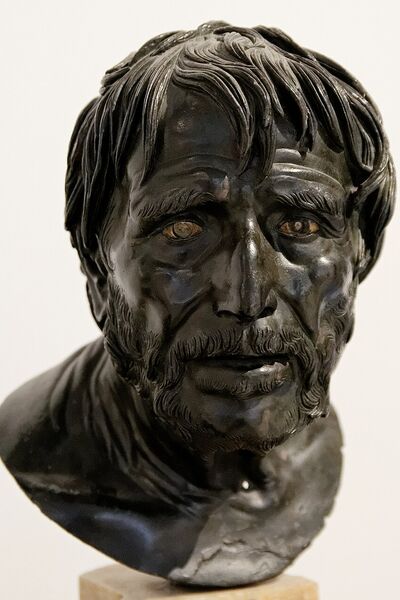 Seneca the Elder c. 54 BC – c. AD 394 works
 -
D
Dinarchus c. 361 BC – c. 291 BC3 works
-
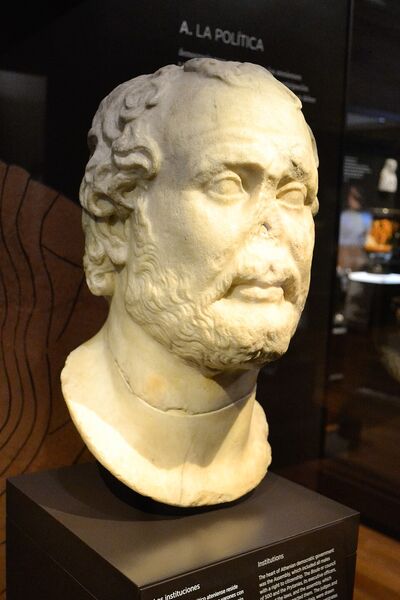 Aeschines 389 BC – 314 BC3 works
 -
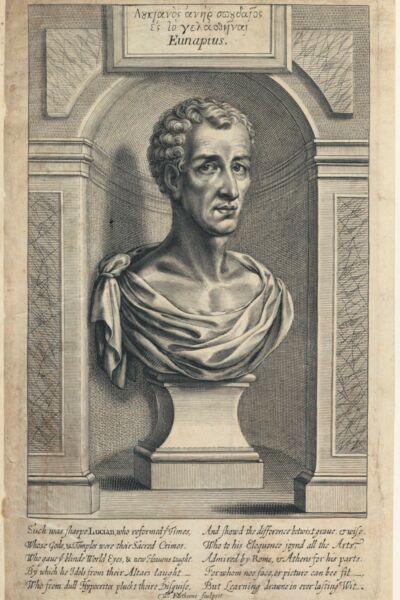 Lucian of Samosata c. 125 AD – c. 180 AD3 works
 -
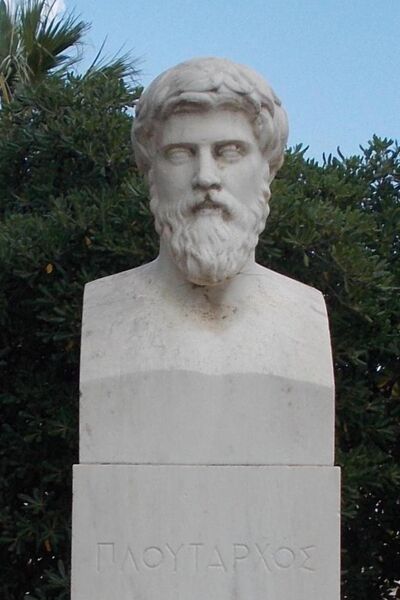 Plutarch c. 46 AD – c. 120 AD2 works
 -
T
Tertullian c. 155 AD – c. 220 AD2 works
-
C
Claudian c. 370 AD – c. 404 AD2 works
-
B
Boethius c. 477 AD – 524 AD2 works
-
A
Arrian c. AD 86 – c. AD 1601 work
-
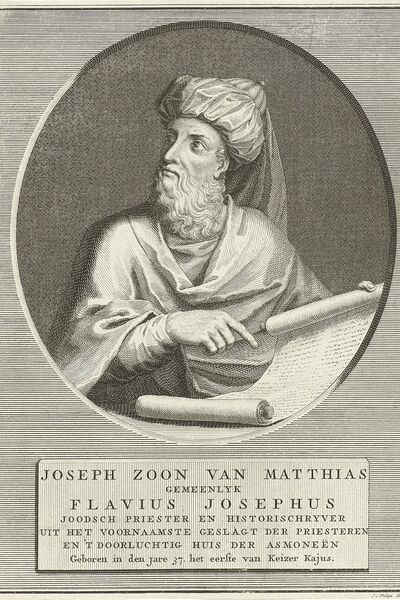 Flavius Josephus AD 37 – c. AD 1001 work
 -
L
Lycurgus c. 390 BC – 324 BC1 work
-
P
Prudentius1 work
-
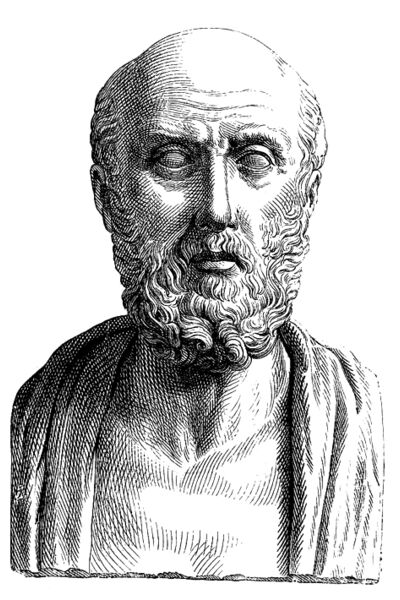 Hippocrates c. 460 BC – c. 370 BC1 work
 -
A
Ausonius1 work
-
P
Philo Judaeus c. 25 BC – c. 50 AD1 work
-
H
Harpocration b. fl. c. 2nd century AD1 work
-
D
Dio Chrysostom c. AD 40 – c. AD 1151 work
-
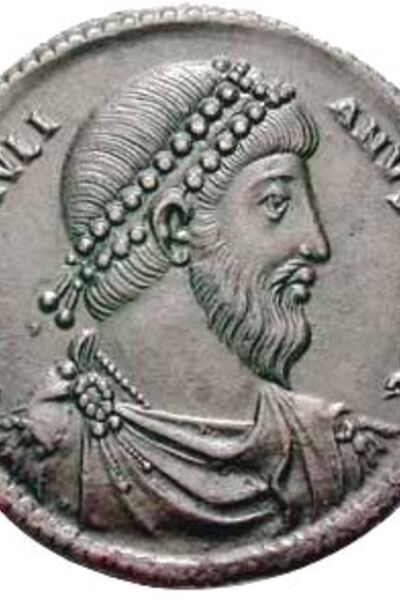 Julian AD 331 – AD 3631 work
 -
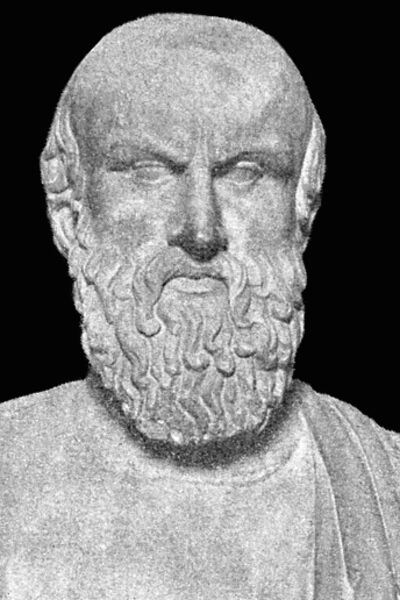 Aeschylus c. 525 BC – 456 BC1 work