Philosophy
The pursuit of wisdom from Thales to Marcus Aurelius
104 works in the library
Philosophy in the ancient world was not an academic discipline but a way of life. From the Presocratic thinkers of Ionia — Thales, Anaximander, Heraclitus — who first asked what the world is made of and how it works, through the great systems of Plato and Aristotle, to the Hellenistic schools of Stoics, Epicureans, and Sceptics, Greek philosophy addressed the fundamental questions of existence, knowledge, ethics, and the good life with a directness and ambition that remain compelling.
Plato's dialogues occupy a unique position: they are simultaneously works of philosophy, literature, and drama. Through the character of Socrates, Plato explored the nature of justice, beauty, truth, and the soul in conversations that move from playful irony to metaphysical vision. Aristotle, Plato's greatest student, turned from dialogue to systematic treatise, producing works on logic, physics, biology, ethics, politics, and poetics that dominated Western thought for two millennia.
The Roman philosophical tradition was primarily one of reception and adaptation, but produced works of enduring importance. Lucretius' De Rerum Natura expounded Epicurean physics and ethics in magnificent hexameter verse. Cicero's philosophical dialogues made Greek thought accessible in Latin prose. Seneca's moral letters and essays articulated Stoic ethics with psychological acuity, while Marcus Aurelius' Meditations — private notebooks never intended for publication — remain the most intimate surviving record of a philosophical life in antiquity.
Authors (19)
-
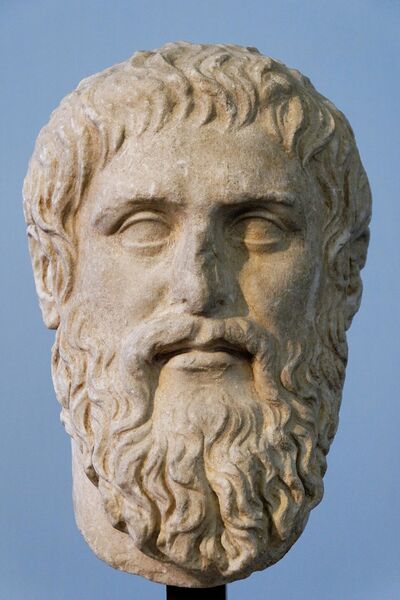 Plato c. 428 BC – 348 BC35 works
 -
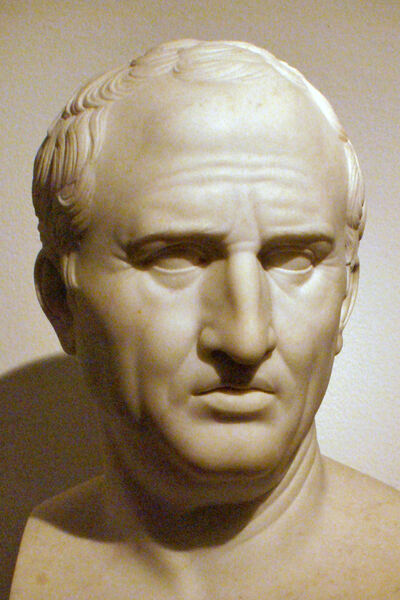 Cicero 106 BC – 43 BC18 works
 -
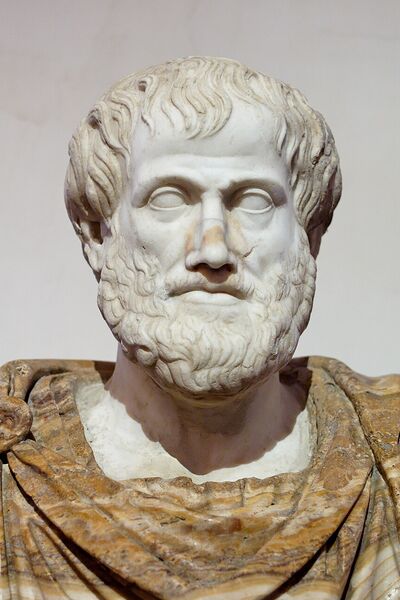 Aristotle 384 BC – 322 BC14 works
 -
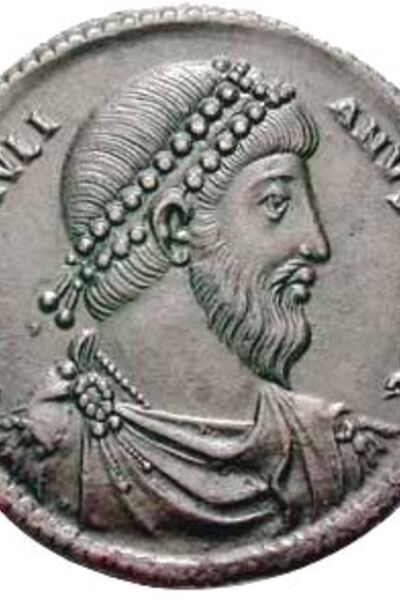 Julian AD 331 – AD 36311 works
 -
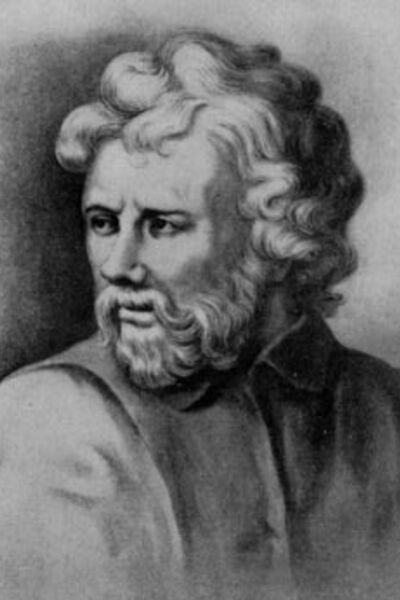 Epictetus c. AD 50 – c. AD 1355 works
 -
S
Seneca c. 4 BC – 65 AD4 works
-
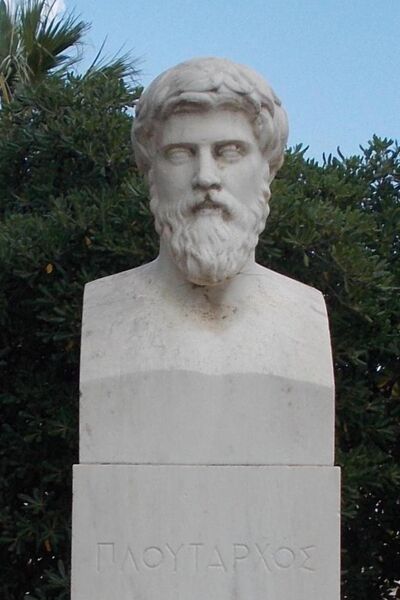 Plutarch c. 46 AD – c. 120 AD3 works
 -
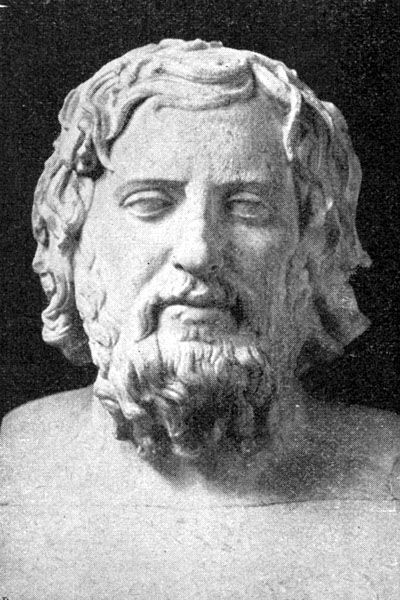 Xenophon c. 430 BC – 354 BC2 works
 -
G
Galen 129 AD – c. 216 AD2 works
-
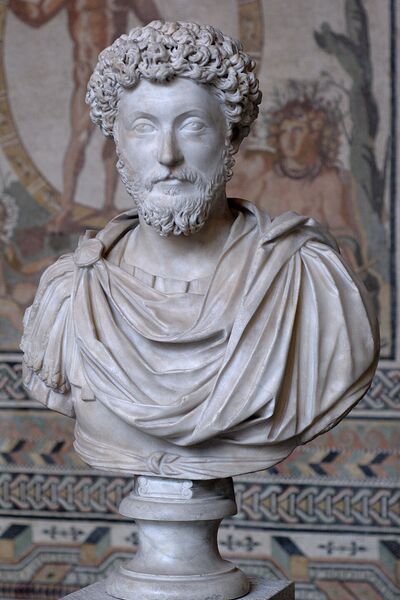 Marcus Aurelius 121 AD – 180 AD1 work
 -
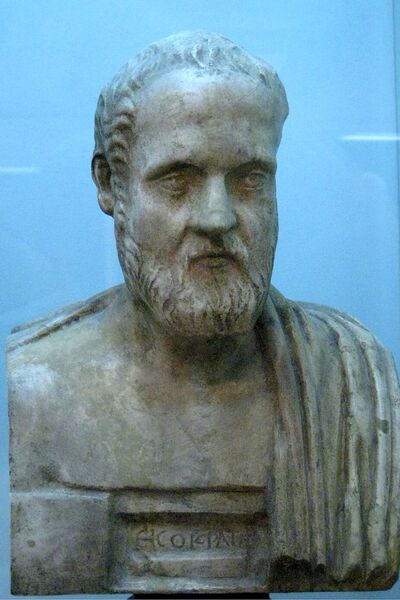 Isocrates 436 BC – 338 BC1 work
 -
T
Tertullian c. 155 AD – c. 220 AD1 work
-
A
Athenaeus of Naucratis b. c. 200 AD1 work
-
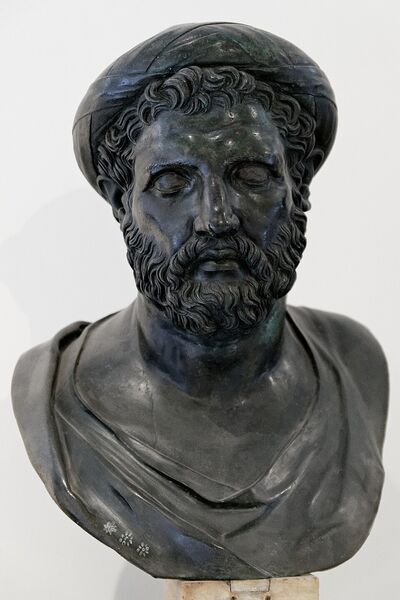 Aelian c. AD 175 – c. AD 2351 work
 -
D
Didache1 work
-
V
Virgil 70 BC – 19 BC1 work
-
P
Philostratus the Athenian c. AD 170 – c. AD 2471 work
-
T
Theophrastus c. 371 BC – c. 287 BC1 work
-
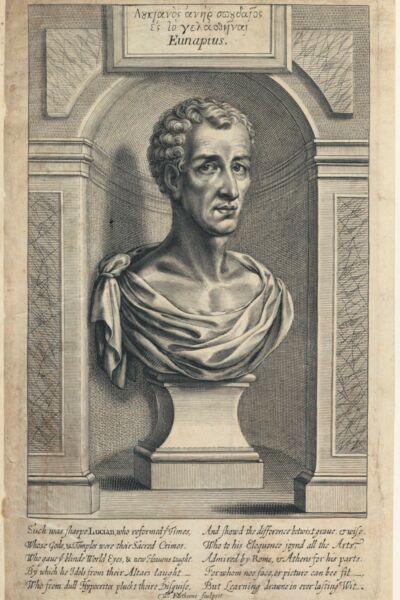 Lucian of Samosata c. 125 AD – c. 180 AD1 work