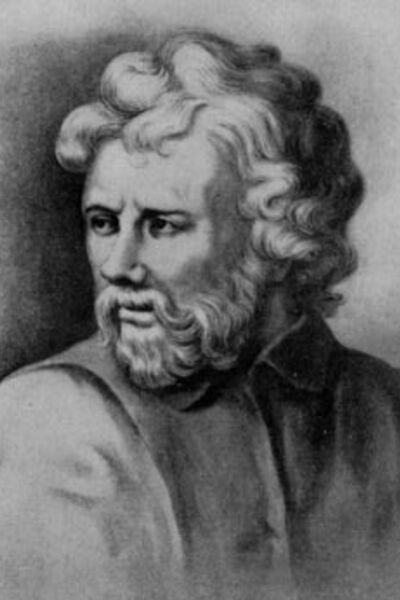
Epictetus
Epictetus
The slave who became a philosopher
c. AD 50 – c. AD 135
Epictetus was born around 55 AD in Hierapolis, in Phrygia (modern Turkey), as a slave. His master, Epaphroditus, was himself a freedman of Nero. Epictetus studied Stoic philosophy under Musonius Rufus, was eventually freed, and taught philosophy in Rome until Domitian expelled all philosophers from the city in 93 AD. He settled in Nicopolis in Epirus and taught there for the rest of his life.
He wrote nothing. His teachings survive because his student Arrian recorded them in the Discourses (of which four books survive out of eight) and the Enchiridion (Handbook), a compact summary of Stoic ethics. The central teaching is the distinction between what is 'up to us' (our judgements, desires, and choices) and what is not (our bodies, possessions, reputation, and circumstances). Freedom consists in focusing exclusively on what we can control and accepting everything else with equanimity.
Epictetus speaks with the authority of a man who has known slavery, poverty, and exile. His philosophy is practical, demanding, and strangely liberating. Marcus Aurelius studied him constantly.
Works (5)
-
1
Discourses philosophy
The lectures of a former slave who became the most influential Stoic teacher of his age. Epictetus teaches that the only things within our control are...
-
2
Fragments philosophy
Surviving fragments and quotations from Epictetus' teachings not included in the Discourses.
- 3
- 4
-
5
The Handbook philosophy
The Handbook — a pocket summary of Stoic ethics. What is in your control and what is not. The most widely read work of Stoic philosophy.