Shape
Alabastron
ἀλάβαστρον
1811 vases
A small elongated vessel with a rounded bottom and flat rim, used for perfumed oil. Originally made from alabaster (hence the name), ceramic versions became common grave goods.
Function & Use
Perfumed oil container
1811 examples
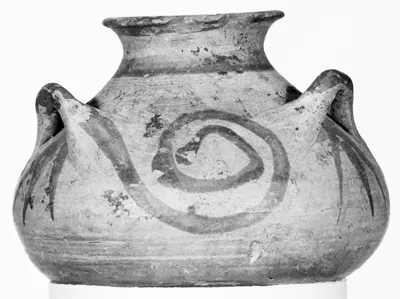
Squat Alabastron
about 1500–1000 B.C.
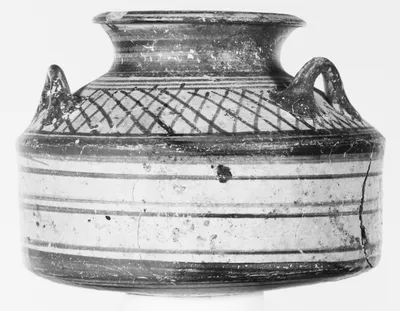
Square-sided Alabastron
1500–1000 B.C.
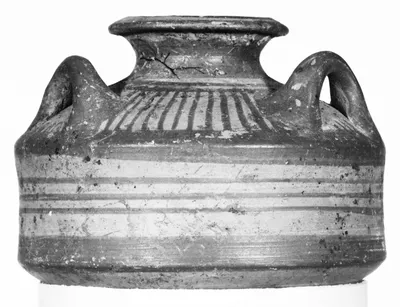
Square-sided Alabastron
1500–1000 B.C.
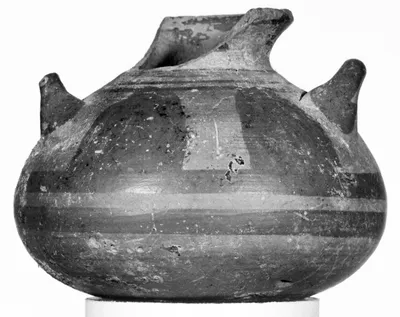
Squat Alabastron with two handles
about 1500–1000 B.C.
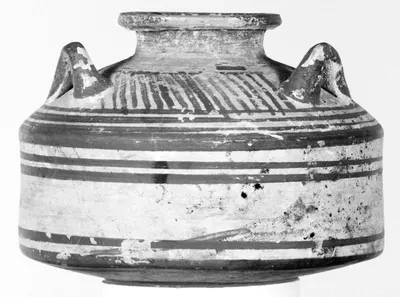
Square-sided Alabastron
1500–1000 B.C.
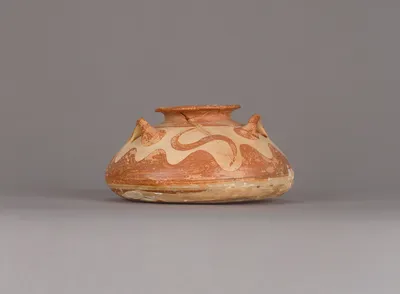
Squat Alabastron
about 1400–1350 B.C.

Straight-sided Three-handled Alabastron (Angular Squat Jar)
1375-1300 BCE
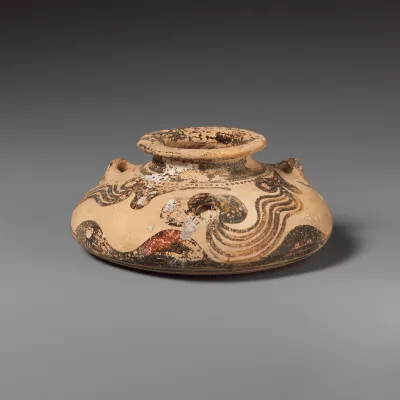
Terracotta squat alabastron (jar)
ca. 13th century BCE
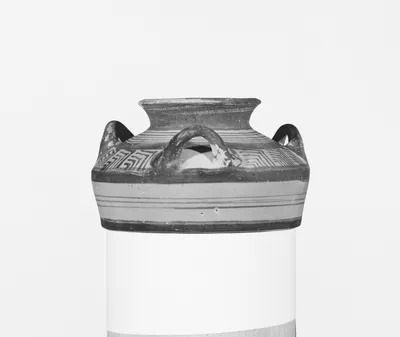
Mycenaean Three-Handled Alabastron
about 1250 B.C.

Alabastron
700-675 BCE
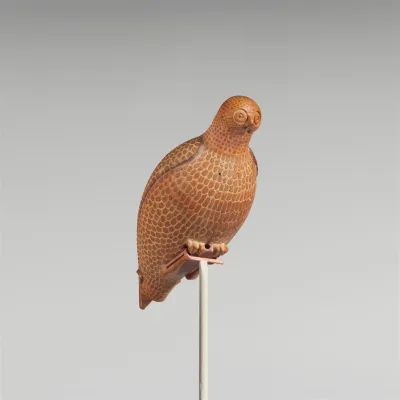
Terracotta vase in the form of a bird
mid-7th century BCE
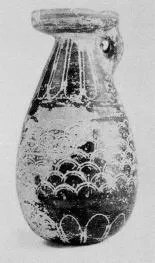
ALABASTRON (PROTOCORINTHIAN, TRANSITIONAL, BLACK-FIGURE)
BF
-650 TO -600
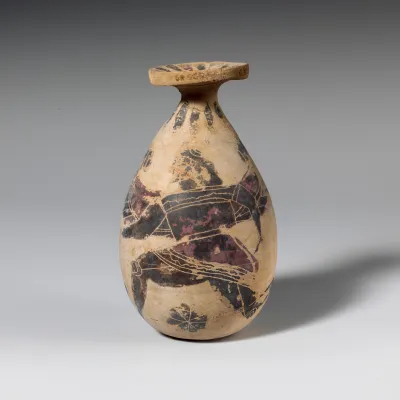
Terracotta alabastron (perfume vase)
ORI
ca. 630–615 BCE
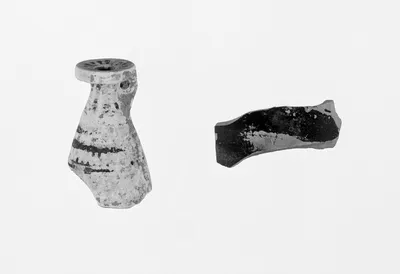
Corinthian Alabastron Fragment
about 650–600 B.C.

Black-figure Alabastron: Water Birds
BF
650-630 BCE
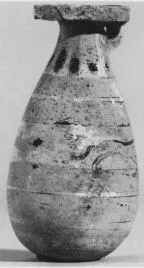
ALABASTRON (PROTOCORINTHIAN, TRANSITIONAL, SILHOUETTE)
BF
-650 TO -600
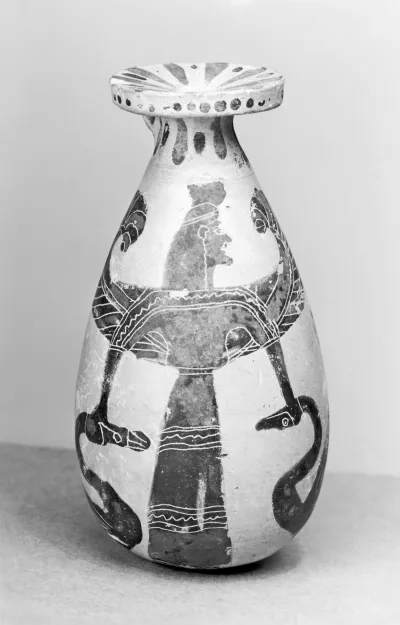
Alabastron with the ""Mistress of the Animals""
BF
6256
· third quarter of the 7th century BCE (Orientalizing)
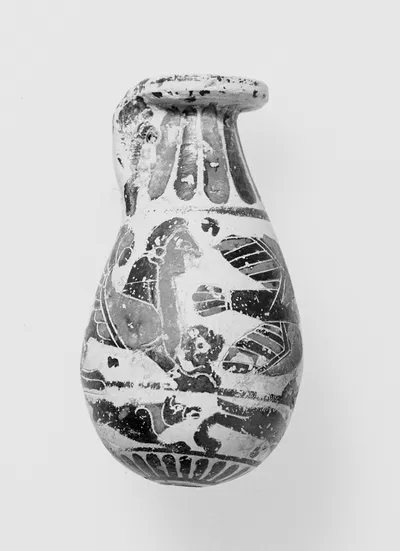
Late Proto-Corinthian Alabastron
about 640–630 B.C.
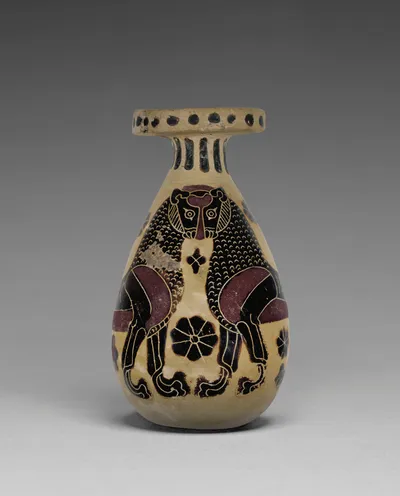
Corinthian Alabastron
Painter of Palermo 489
· 640–625 B.C.

Alabastron
c. 630-600 BCE
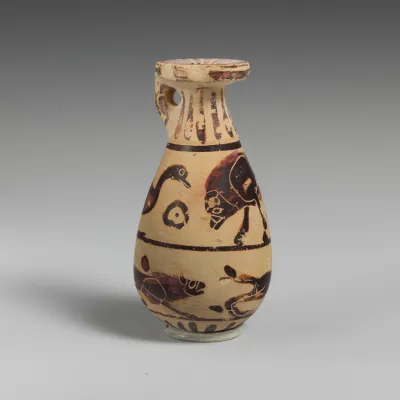
Terracotta alabastron (perfume vase)
ORI
Attributed to the Kerameikos Group
· ca. 630–615 BCE
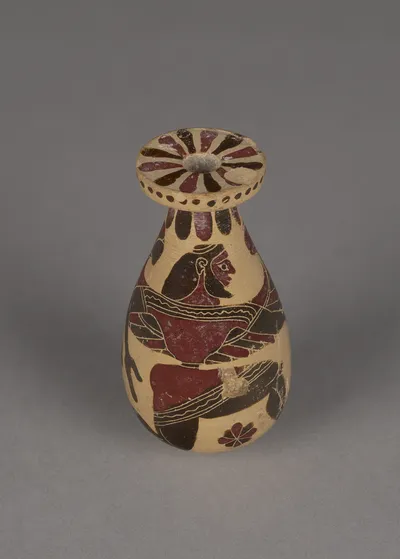
Corinthian Alabastron
about 630–615 B.C.

Alabastron: Hare between Two Lions
c. 620-600 BCE
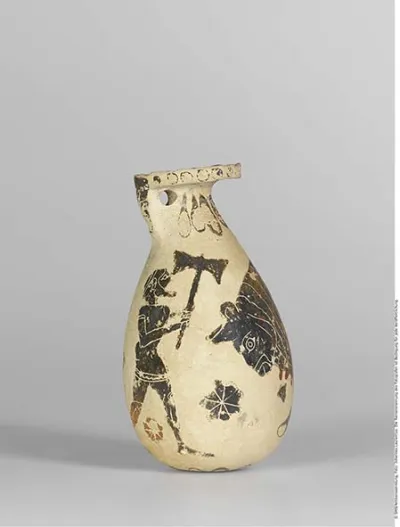
Frühkorinthisches Alabastron
625-601 v. Chr.
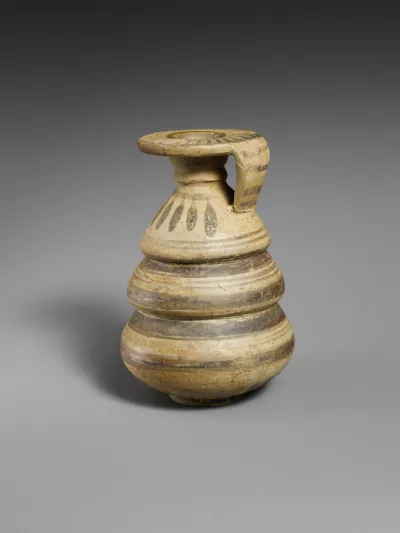
Terracotta alabastron (perfume vase)
ca. 625–575 BCE
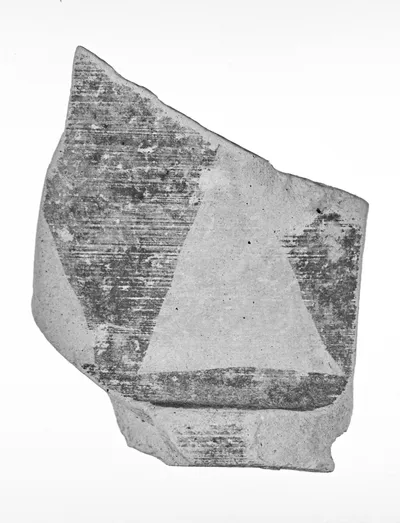
Geometric Squat Alabastron(?) Fragment
GEO
late 7th century B.C.
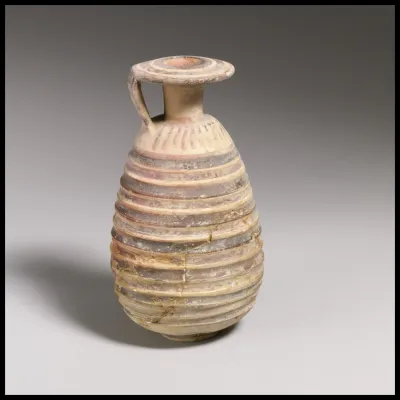
Terracotta alabastron (perfume vase)
BF
late 7th–early 6th century BCE
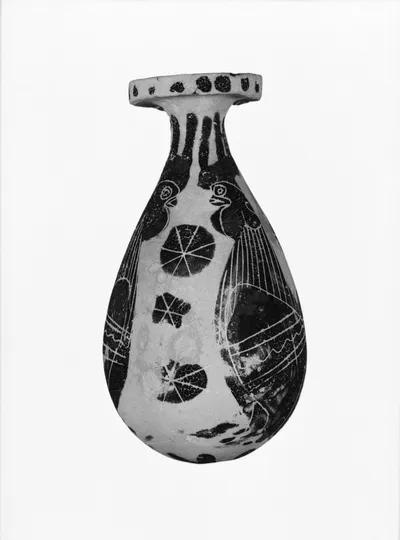
Corinthian Alabastron
Dolphin Painter
· about 620–590 B.C.

Alabastron (oil flask): Lion
BF
c. 620-600 BCE
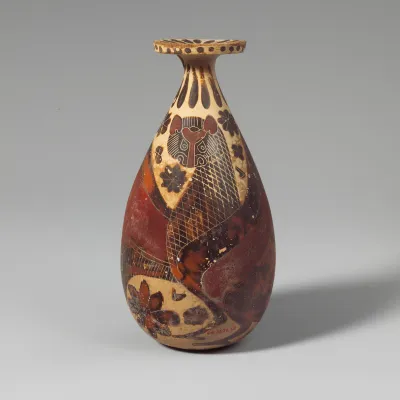
Terracotta alabastron (perfume vase)
BF
ca. 620–590 BCE
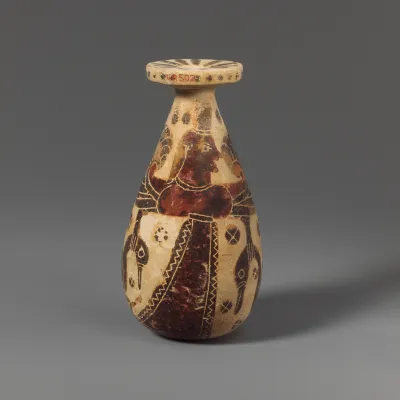
Terracotta alabastron (perfume vase)
BF
Attributed to the Potnia Painter
· ca. 620–590 BCE
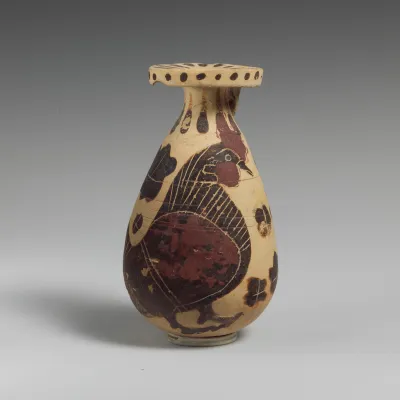
Terracotta alabastron (perfume vase)
BF
ca. 620–590 BCE

Corinthian Alabastron with Roosters
c. 600-570 BCE

Double Alabastron
c. 600 BCE
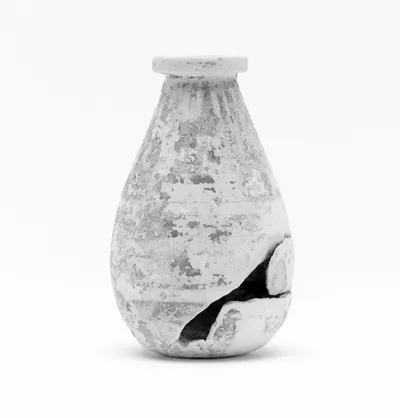
Small alabastron
600 B.C.
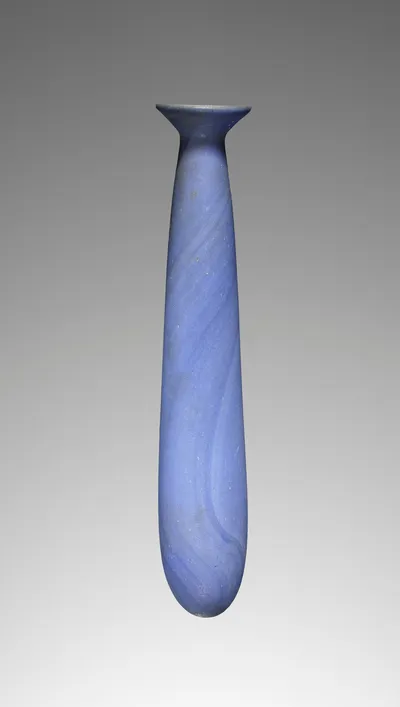
Alabastron
600–300 B.C.
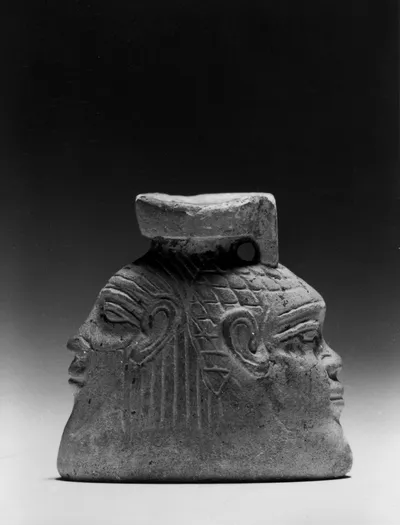
Kopfgefäβ (Alabastron mit Doppelkopf, Doppelkopfgefäβ)
600-551 v. Chr.
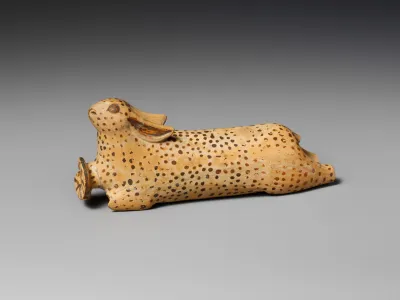
Terracotta alabastron (perfume vase) in the shape of a hare
ca. 600–550 BCE
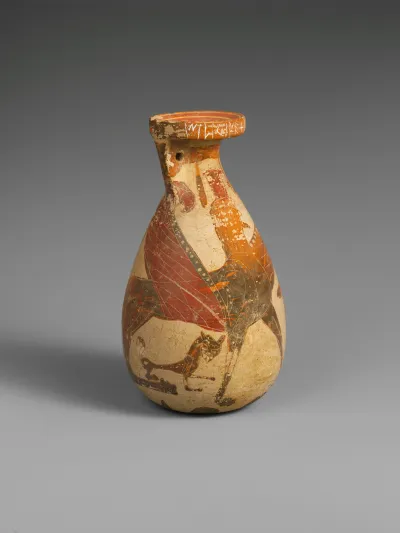
Terracotta inscribed alabastron (perfume vase)
ca. 600 BCE
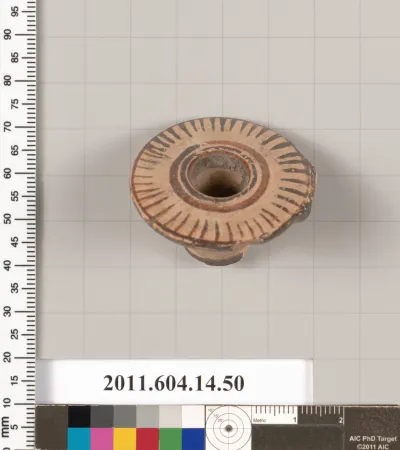
Terracotta fragment of an alabastron?
6th–4th centuries BCE
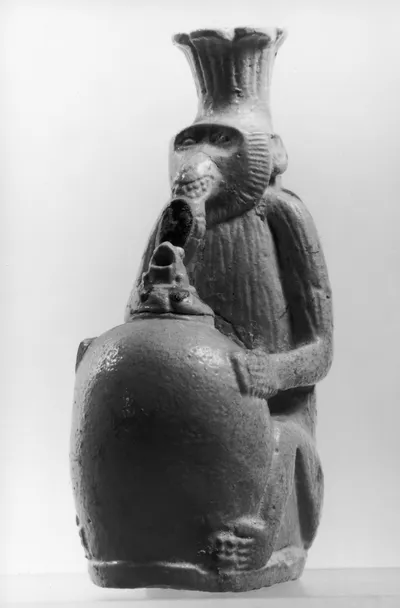
Gefäβ in Form eines Affen mit Gefäβ (Alabastron mit Affe und Gefäβ, Salbgefäβ: Naschender Affe)
600-551 v. Chr.

Corinthian Alabastron
600 BCE
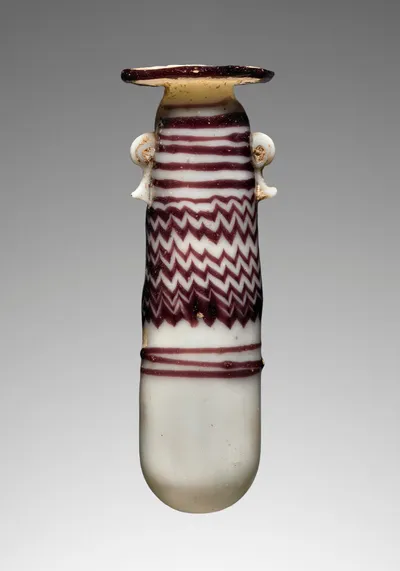
Alabastron
6th–4th century B.C.
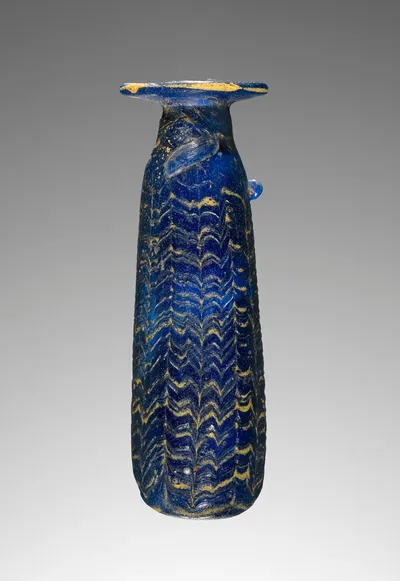
Alabastron
6th–4th century B.C.
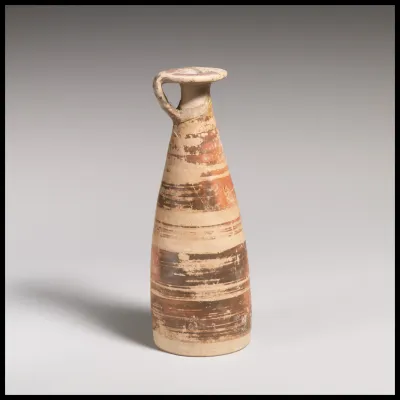
Terracotta alabastron (perfume vase)
BF
early 6th century BCE
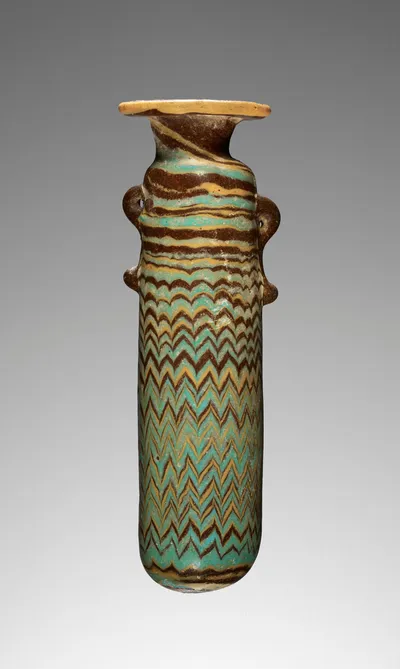
Alabastron
6th–4th century B.C.
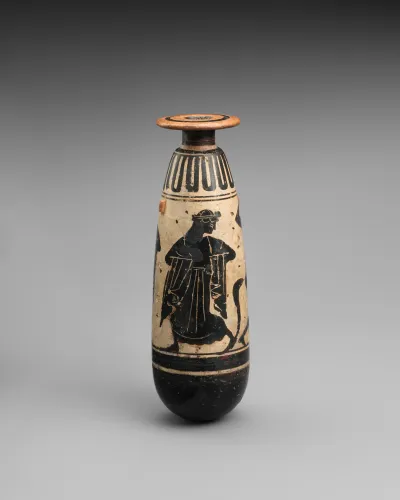
Alabastron
BF
ca. 500 BCE
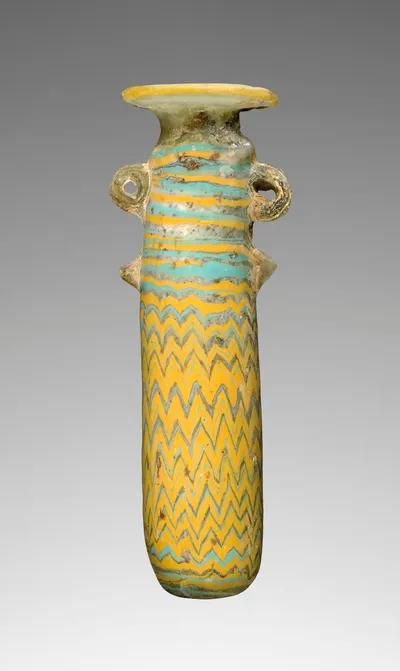
Alabastron
6th–4th century B.C.
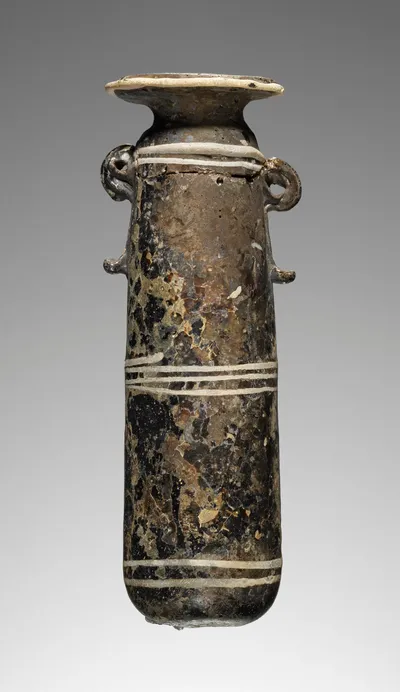
Alabastron
6th–4th century B.C.
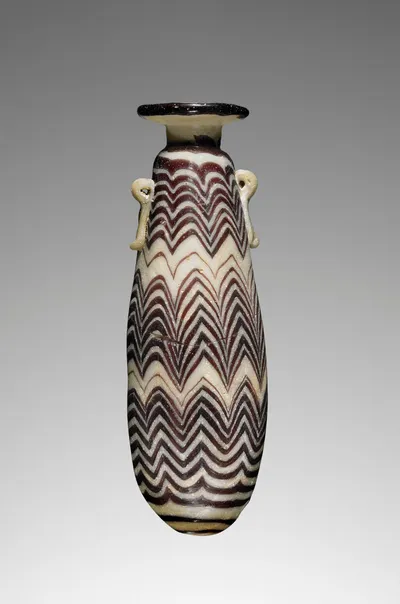
Alabastron
6th–4th century B.C.
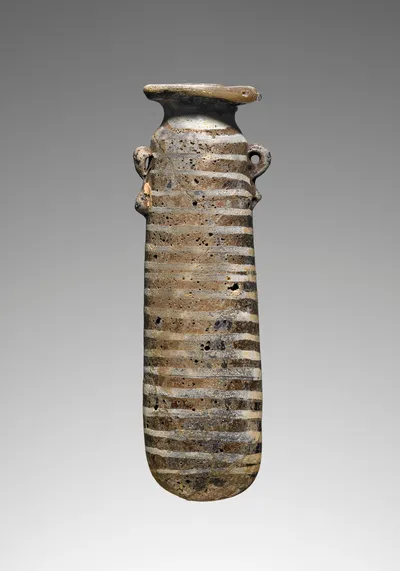
Alabastron
6th–4th century B.C.
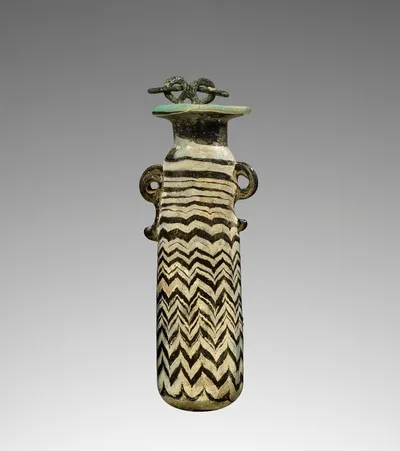
Alabastron
6th–4th century B.C.

Alabastron
6th–4th century B.C.
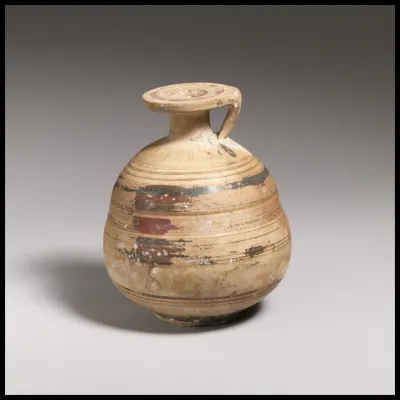
Alabastron
BF
6th century BCE
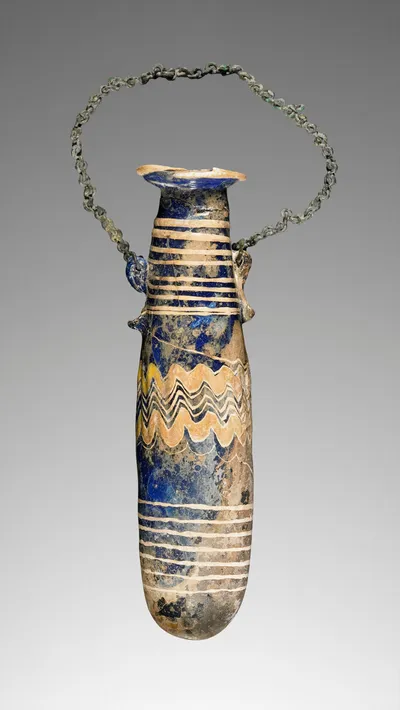
Alabastron
6th–4th century B.C.
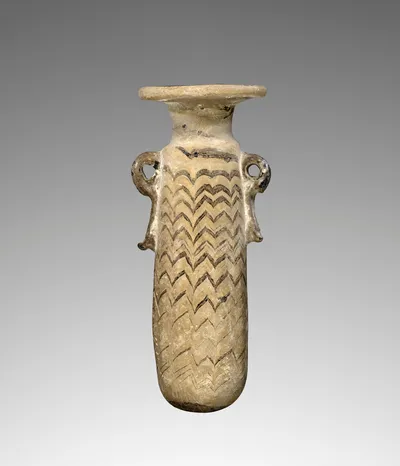
Alabastron
6th–4th century B.C.
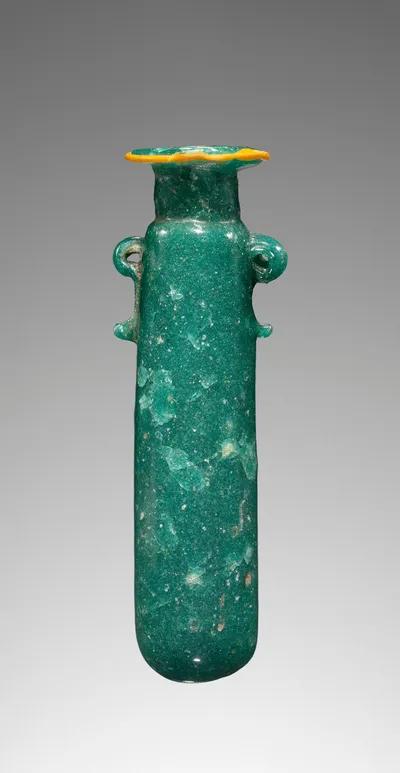
Alabastron
6th–4th century B.C.
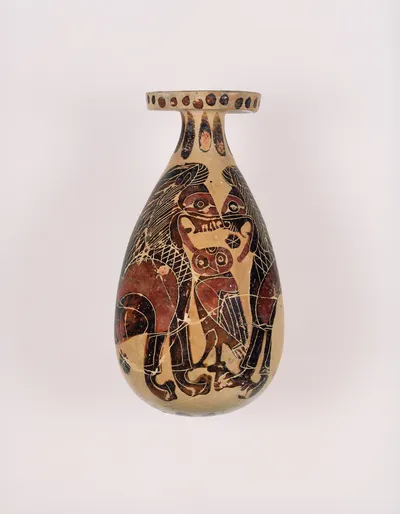
Alabastron
about 595–570 B.C.
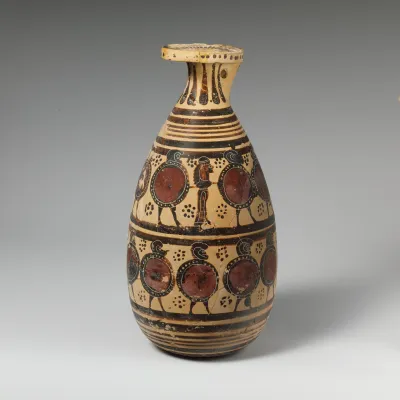
Terracotta alabastron (perfume vase)
BF
Attributed to the Late Warrior Frieze Vases
· ca. 590–570 BCE
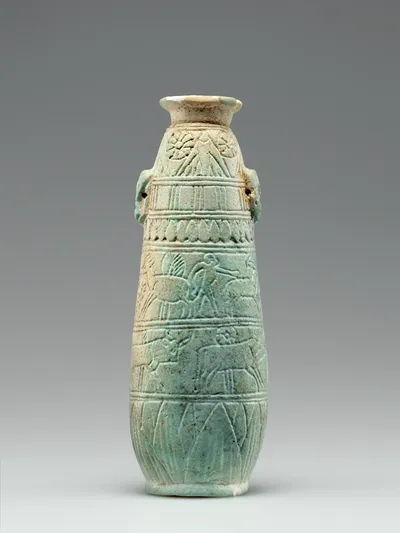
East Greek Faience Alabastron
about 580 B.C.
Images courtesy of The Metropolitan Museum of Art (CC0)