Drama
Theatre born from the festivals of Dionysus
80 works in the library
Ancient drama emerged from the religious festivals of Athens in the sixth and fifth centuries BC. Tragedy and comedy were performed at the Great Dionysia and the Lenaia as acts of civic worship: playwrights competed for prizes, actors wore masks, and choruses sang and danced in the orchestra. The physical theatre — the open-air theatron carved into the hillside below the Acropolis — seated perhaps fifteen thousand citizens who watched performances as a collective civic experience.
Of the hundreds of tragedies produced in fifth-century Athens, only thirty-two survive complete: seven by Aeschylus, seven by Sophocles, and eighteen by Euripides. Each dramatist shaped the form distinctively. Aeschylus introduced the second actor and made the trilogy his vehicle for exploring the workings of divine justice across generations. Sophocles perfected the drama of individual heroism and suffering, creating characters — Oedipus, Antigone, Ajax — who define themselves through irrevocable choice. Euripides questioned everything: his gods are cruel or absent, his heroes flawed, his women given voices of startling power.
Comedy took two forms. Aristophanes' Old Comedy was a vehicle for political satire, personal invective, and anarchic fantasy — his plays feature talking birds, sex strikes, and descents to the underworld. Later, Menander's New Comedy turned to domestic plots of love, mistaken identity, and reconciliation, creating a template that would pass through the Roman adaptations of Plautus and Terence to become the ancestor of all European comedy. Roman tragedy, represented principally by Seneca, was likely composed for recitation rather than performance, its rhetorical intensity and philosophical concerns exerting an enormous influence on Renaissance drama.
Authors (9)
-
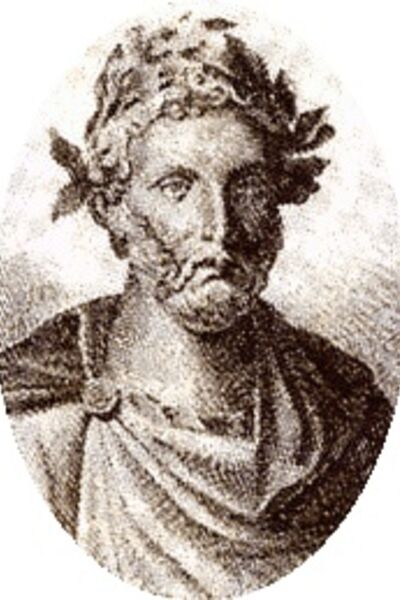 Plautus c. 254 BC – 184 BC20 works
 -
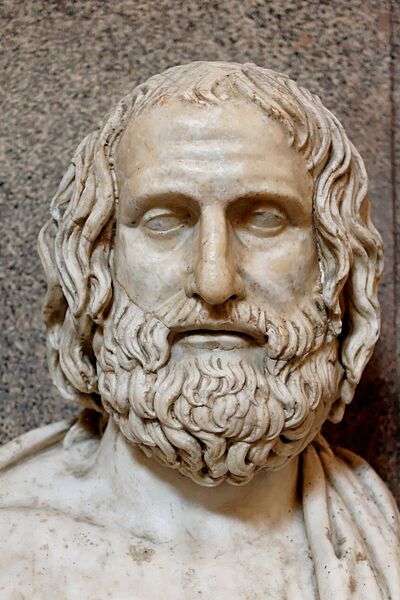 Euripides c. 480 BC – 406 BC19 works
 -
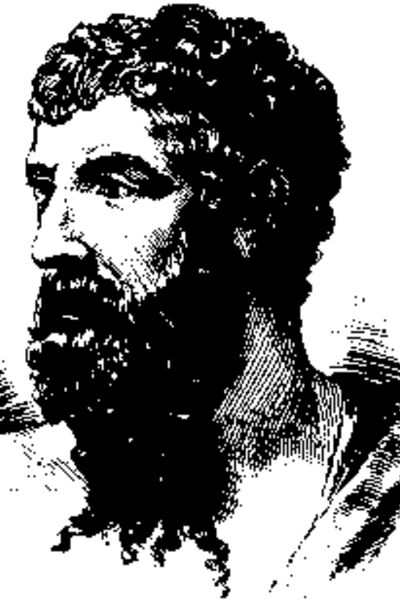 Aristophanes c. 446 BC – c. 386 BC11 works
 -
S
Seneca c. 4 BC – 65 AD11 works
-
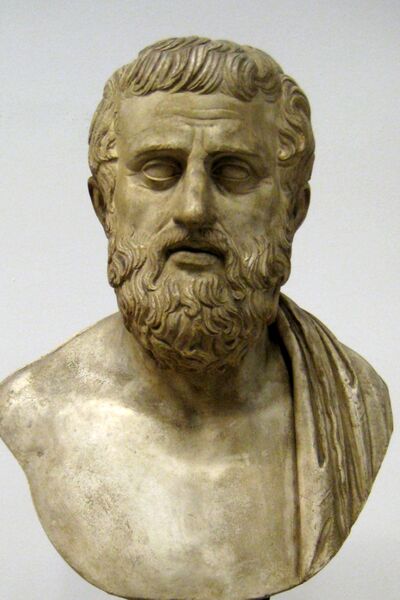 Sophocles c. 496 BC – 406 BC8 works
 -
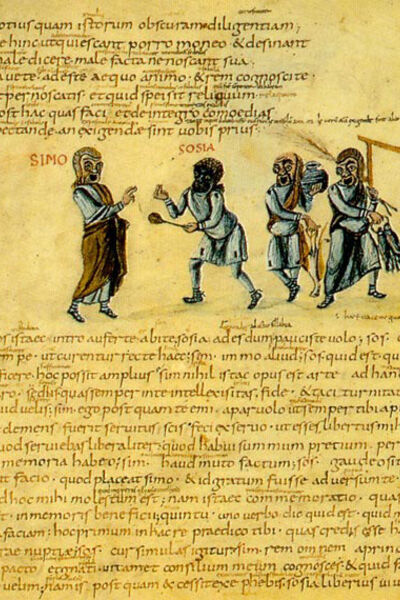 Terence c. 195 BC – c. 159 BC6 works
 -
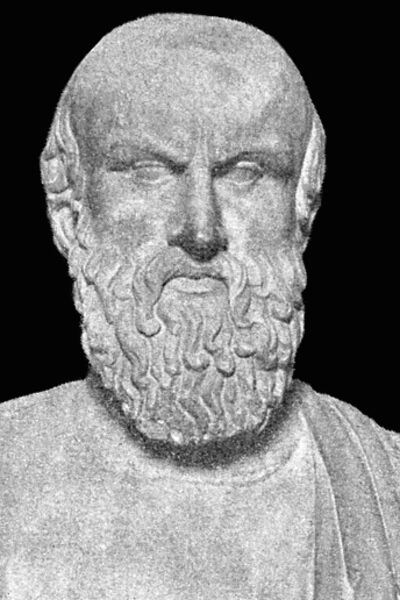 Aeschylus c. 525 BC – 456 BC2 works
 -
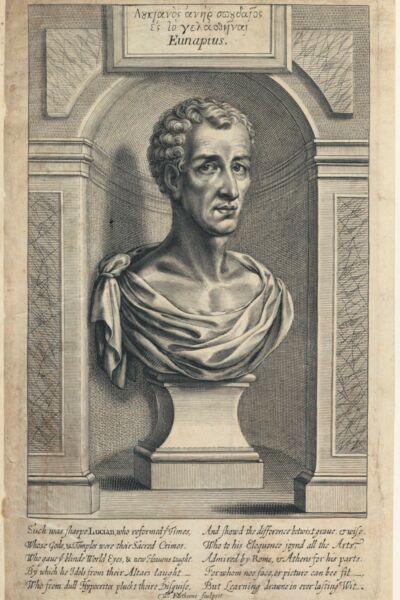 Lucian of Samosata c. 125 AD – c. 180 AD2 works
 -
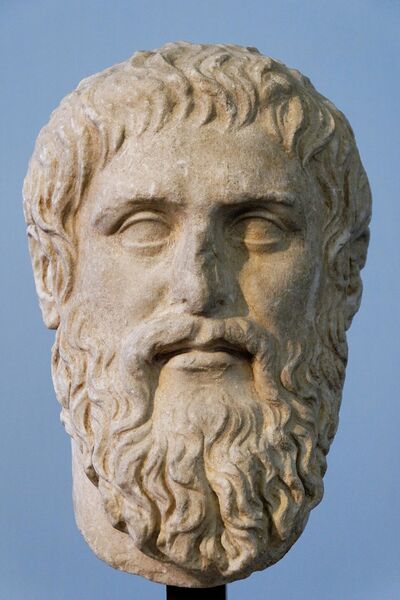 Plato c. 428 BC – 348 BC1 work