History
The recording and interpretation of the human past
96 works in the library
History as a literary genre was a Greek invention. Herodotus of Halicarnassus, writing in the mid-fifth century BC, set out to preserve the memory of great deeds and to explain why Greeks and barbarians came to fight one another. His Histories blended ethnography, geography, and narrative with an instinct for storytelling that earned him the title "Father of History" from Cicero. A generation later, Thucydides transformed the genre: his account of the Peloponnesian War stripped away the marvellous, insisted on eyewitness testimony and documentary evidence, and sought to reveal the permanent patterns of human behaviour beneath the surface of events.
The Romans inherited both traditions. The annalistic form — year-by-year records organised around the consular fasti — shaped the work of writers from Fabius Pictor to Livy, whose Ab Urbe Condita narrated Rome's history from its mythical foundation in 142 books, of which only 35 survive. Sallust preferred the monograph, using the Catilinarian conspiracy and the Jugurthine War as lenses for diagnosing the moral decay of the Republic. Tacitus, the greatest of Roman historians, combined Thucydidean rigour with a prose style of extraordinary compression and irony to chronicle the early Empire.
Ancient historiography was never a neutral enterprise. History was inseparable from rhetoric: speeches were composed rather than transcribed, and the historian's task was understood to include moral instruction. Polybius championed "pragmatic" history — useful to statesmen — while Plutarch's biographical method sought to reveal character through anecdote. The moralising tradition runs deep: for the ancients, the past was a storehouse of exempla, models to imitate or avoid. To read ancient history is to encounter not a modern discipline but a literary art with its own conventions, ambitions, and splendours.
Authors (21)
-
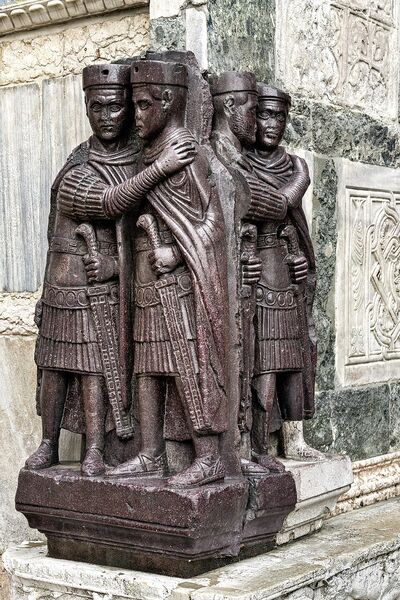 Scriptores Historiae Augustae b. c. late 4th century AD30 works
 -
 Appianus of Alexandria c. 95 AD – c. 165 AD14 works
 -
 Dionysius of Halicarnassus c. 60 BC – after 7 BC13 works
 -
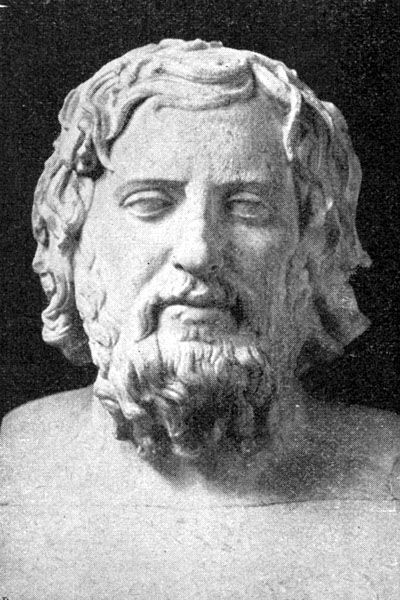 Xenophon c. 430 BC – 354 BC12 works
 -
A
Arrian c. AD 86 – c. AD 1605 works
-
S
Sallust 86 BC – 35 BC3 works
-
T
Tacitus c. 56 AD – c. 120 AD2 works
-
J
Julius Caesar 100 BC – 44 BC2 works
-
C
Caesar 100 BC – 44 BC2 works
-
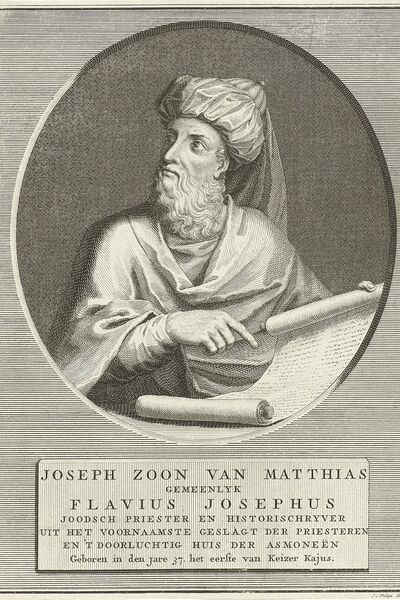 Flavius Josephus AD 37 – c. AD 1002 works
 -
L
Livy 59 BC – 17 AD1 work
-
T
Titus Livius (Livy) 59 BC – 17 AD1 work
-
 Lucan AD 39 – AD 651 work
 -
E
Eusebius of Caesarea c. AD 260 – c. AD 3391 work
-
D
Diodorus Siculus c. 90 BC – c. 30 BC1 work
-
 Polybius c. 200 BC – c. 118 BC1 work
 -
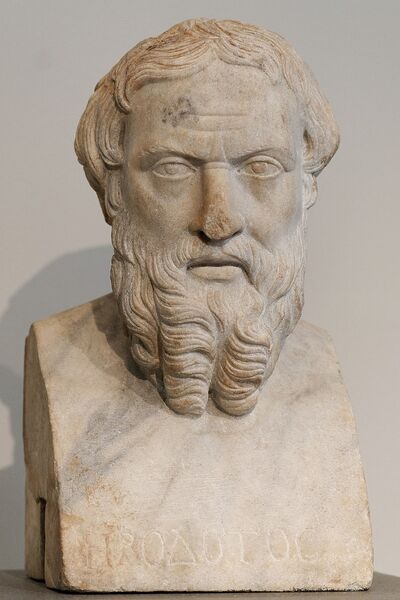 Herodotus c. 484 BC – c. 425 BC1 work
 -
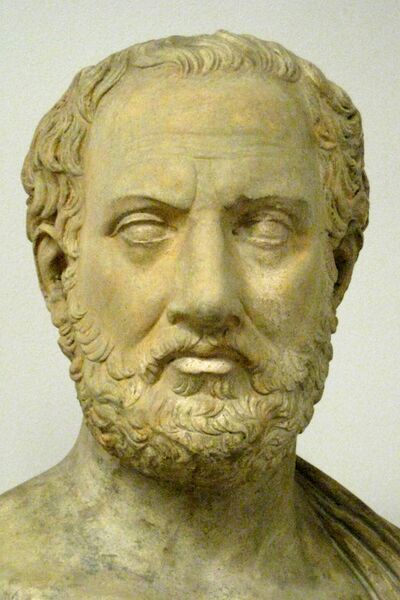 Thucydides c. 460 BC – c. 400 BC1 work
 -
C
Cato the Elder 234 BC – 149 BC1 work
-
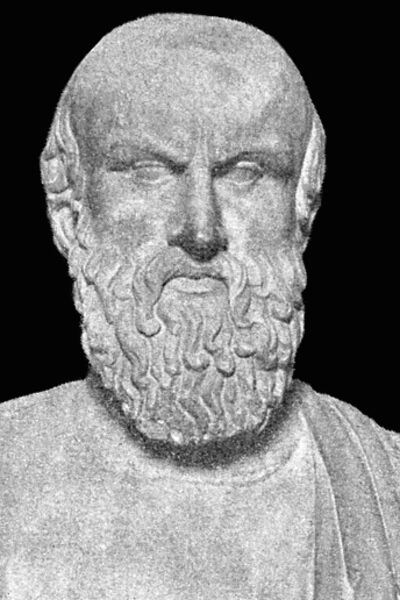 Aeschylus c. 525 BC – 456 BC1 work
 -
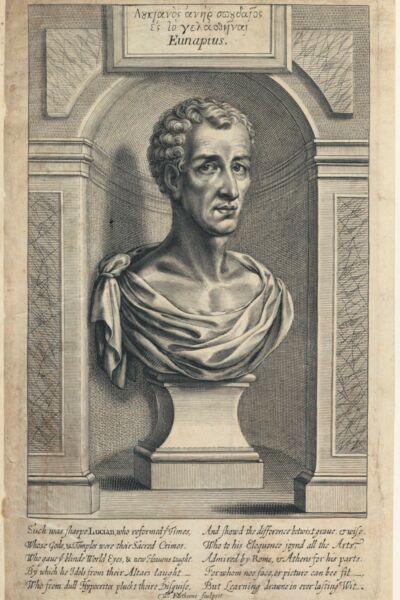 Lucian of Samosata c. 125 AD – c. 180 AD1 work