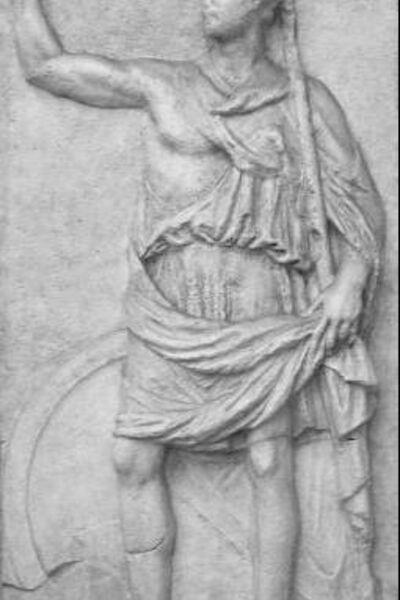
Polybius
Polybius
The historian who explained Roman power
c. 200 BC – c. 118 BC
Polybius was born around 200 BC in Megalopolis in the Peloponnese, the son of Lycortas, a leading politician of the Achaean League. After the Roman conquest of Greece in 168 BC, he was among the thousand Achaean hostages deported to Italy. There he became the friend and mentor of Scipio Aemilianus, and witnessed the destruction of Carthage in 146 BC — the event that confirmed Rome as the undisputed master of the Mediterranean.
His Histories, originally in forty books, of which five survive complete and much of the rest in fragments, set out to answer a single question: how did Rome conquer the known world in barely fifty-three years? His answer combined narrative history with political analysis, most famously his theory of the Roman mixed constitution — a blend of monarchy, aristocracy, and democracy that he believed explained Rome's stability and success.
Polybius is not an elegant writer. He is repetitive, didactic, and sometimes dull. But he is rigorous, honest, and deeply intelligent. He insisted on autopsy — personal observation — and travelled widely to verify his sources. His analysis of Roman military organisation, his account of the battle of Cannae, and his political theory influenced Machiavelli, Montesquieu, and the founders of the American Republic.
Works
- 1