Poetry
Lyric, elegy, and the personal voice
59 works in the library
Beyond epic and drama, the ancient world produced a rich tradition of shorter poetic forms. Greek lyric poetry — sung to the lyre at symposia, festivals, and public ceremonies — survives mostly in fragments, but those fragments include some of the most intense utterances in all literature. Sappho's poems of desire and loss, Pindar's towering victory odes for athletic champions, and the drinking songs and political poems of Alcaeus preserve voices of extraordinary immediacy from the archaic age.
Roman poetry absorbed these Greek forms and created new ones. Catullus brought the intensity of Sapphic lyric to Latin in his love poems for Lesbia, while also mastering the learned Alexandrian miniature. Horace domesticated Greek lyric metres for Roman use in his Odes, achieving a perfection of form and tone that he himself recognised as a monument more lasting than bronze. Elegy — the poetry of love, loss, and personal reflection in elegiac couplets — became a distinctively Roman genre in the hands of Tibullus, Propertius, and Ovid, whose Amores and Ars Amatoria played with the conventions with characteristic wit.
Pastoral poetry, inaugurated by Theocritus' Idylls in Hellenistic Sicily and transplanted to Italy by Virgil's Eclogues, created an idealised landscape of shepherds, song-contests, and unrequited love that became one of the most persistent modes in Western literature. The personal voice — whether celebrating love, mourning death, praising a patron, or meditating on the passage of time — runs through all these forms, giving ancient poetry an emotional directness that transcends the centuries.
Authors (14)
-
H
Homeric Hymns33 works
-
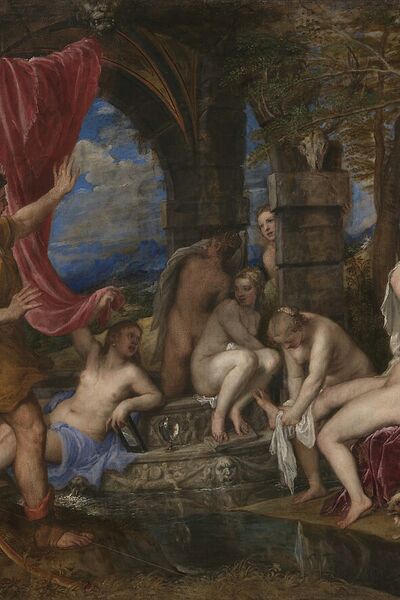 Callimachus c. 310 BC – c. 240 BC8 works
 -
H
Horace 65 BC – 8 BC4 works
-
P
P. Vergilius Maro (Virgil) 70 BC – 19 BC2 works
-
O
Ovid 43 BC – c. 17/18 AD2 works
-
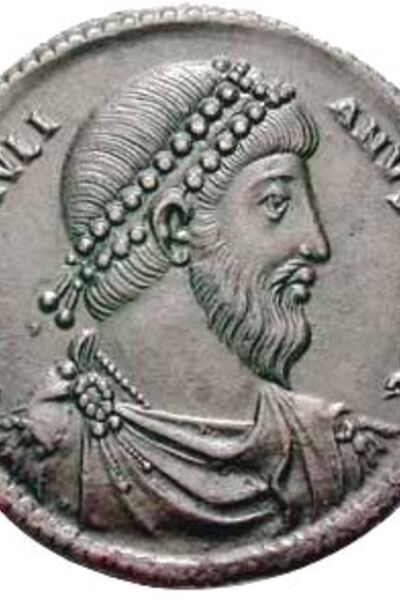 Julian AD 331 – AD 3632 works
 -
C
Catullus c. 84 BC – c. 54 BC1 work
-
V
Virgil 70 BC – 19 BC1 work
-
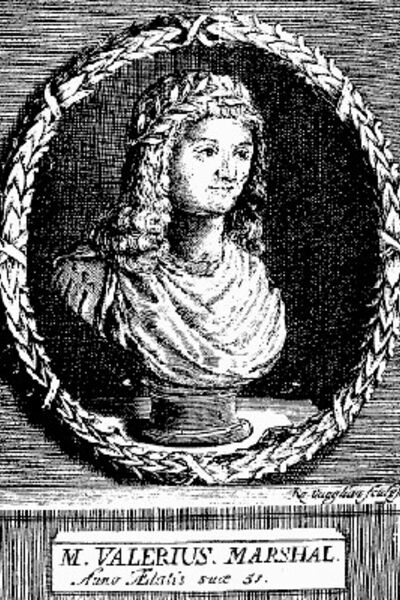 Martial c. AD 38 – c. AD 1041 work
 -
A
Ausonius1 work
-
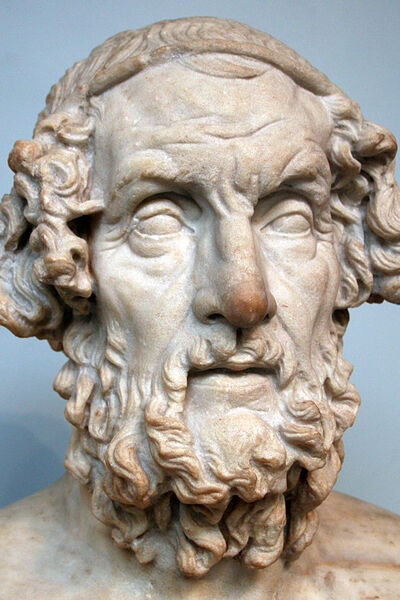 Homer b. c. 8th century BC1 work
 -
A
Antiphon c. 480 BC – 411 BC1 work
-
S
Statius c. 45 AD – c. 96 AD1 work
-
B
Barnabae Epistula b. c. late 1st century AD1 work