Biography
Lives of the great and the infamous
81 works in the library
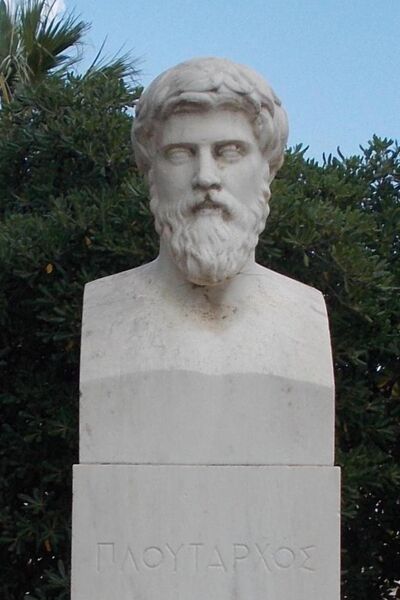
Ancient biography occupied a distinct place from history, though the two genres constantly overlapped. Where the historian narrated events, the biographer revealed character. Plutarch, the genre's greatest practitioner, made the distinction explicit: "I am not writing histories but lives," he declared, "and often a small action, a remark, or a jest reveals character better than battles with thousands of dead." His Parallel Lives — paired biographies of Greek and Roman statesmen and generals — shaped how the Western world imagined antiquity for two millennia.
The Roman tradition of biography took several forms. Cornelius Nepos wrote brief, accessible lives of foreign generals and Roman historians. Suetonius' Lives of the Twelve Caesars — from Julius Caesar to Domitian — established a formula that organised each life thematically rather than chronologically: ancestry, career, personal habits, physical appearance, death. This rubric-based approach produced some of the most memorable (and scandalous) portraits in ancient literature, drawing on imperial archives, gossip, and the author's own service at the court of Hadrian.
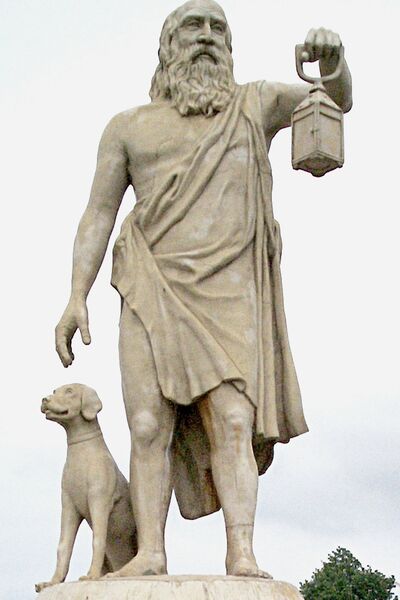
Diogenes Laertius extended the biographical method to philosophers, compiling Lives and Opinions of the Eminent Philosophers in ten books that preserve invaluable information — doctrines, anecdotes, sayings, and book lists — about thinkers whose own works are largely lost. The biographical impulse also shaped other genres: Tacitus' Agricola is a biography of his father-in-law that doubles as a study of imperial tyranny, while the anonymous Historia Augusta — biographies of emperors from Hadrian to Carinus — remains one of the most problematic and entertaining texts to survive from late antiquity.