Nonnus Panopolitanus
Nonnus of Panopolis
The last great Greek epic poet
b. fl. c. 5th century AD
Nonnus was born in Panopolis (modern Akhmim) in Upper Egypt, probably in the late fourth or early fifth century AD. He is the last great Greek epic poet — and one of the most extravagant.
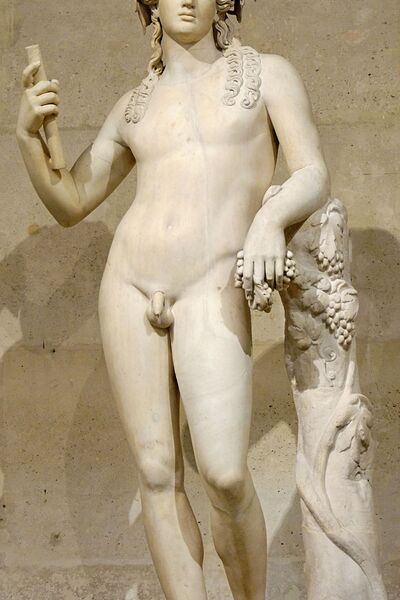
His Dionysiaca, in forty-eight books and over 20,000 hexameters, is the longest surviving poem from antiquity. It tells the story of Dionysus from his birth to his reception on Olympus, encompassing his campaign to conquer India, his many love affairs, and a vast mythological panorama. The poem is exuberant, digressive, repetitive, and drunk on its own verbal virtuosity — a baroque epic that pushes Homeric conventions to their limits and beyond.
Nonnus also wrote, or is credited with, a Paraphrase of the Gospel of John in hexameters — an apparently Christian work by an apparently pagan poet. The relationship between the two works is one of the great puzzles of late antique literary history. The Dionysiaca established a school of late antique epic in Egypt that included Colluthus, Tryphiodorus, and Musaeus.
Works
-
1
Dionysiaca epic
The longest surviving poem from antiquity — forty-eight books on Dionysus's conquest of India. Nonnus writes in a baroque, extravagant style that mark...