Epic
The grandest form of ancient poetry
17 works in the library
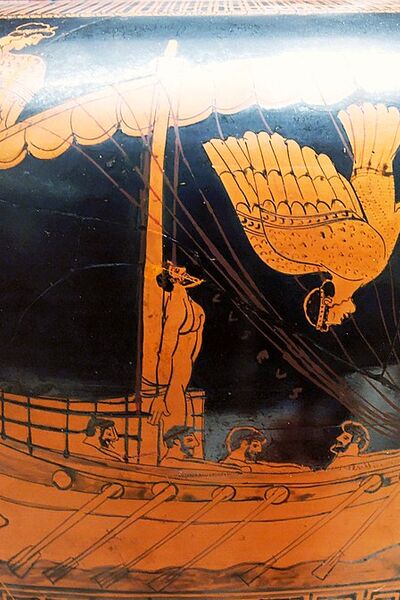
Epic poetry stands at the summit of ancient literary achievement. Homer's Iliad and Odyssey, composed in the oral tradition of Ionian Greece during the eighth or seventh century BC, established the genre's essential features: elevated diction, dactylic hexameter, divine machinery, extended similes, and the narration of heroic action on a grand scale. These poems were not merely entertainment but the foundational texts of Greek civilisation — the basis of education, ethics, and theology for centuries.
The Hellenistic age produced Apollonius of Rhodes, whose Argonautica reimagined epic for a literary culture of scholars and readers rather than bards and listeners. But the genre's second great flowering came at Rome. Virgil's Aeneid — Rome's national epic — told the story of Aeneas' journey from fallen Troy to the founding of a new civilisation in Italy. Writing under Augustus, Virgil absorbed Homer completely and transformed him, creating a poem that is at once a celebration of Roman destiny and a meditation on the costs of empire, war, and displacement.
After Virgil, Latin epic pursued diverse paths. Ovid's Metamorphoses — an epic of transformation rather than war — gathered hundreds of mythological tales into a continuous poem of extraordinary wit and pathos. Lucan's Pharsalia abandoned the gods entirely to narrate the civil war between Caesar and Pompey in a style of relentless rhetorical intensity. Statius returned to Theban mythology with the Thebaid, while Valerius Flaccus retold the Argonaut saga. Each poet negotiated the overwhelming presence of Virgil differently, but all wrote within a tradition that understood epic as the supreme test of poetic ambition.
Works