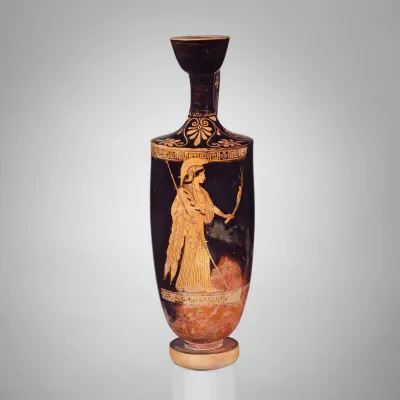
Painter
the Brygos Painter
Style & Characteristics
Dynamic, energetic compositions; powerful rendering of emotion and movement; bold use of foreshortening; vigorous drapery with sharp folds; expressive faces. Particularly celebrated for his Sack of Troy and symposium scenes.
Name & Etymology
Named after the potter Brygos, with whom he most frequently collaborated. Brygos signed as potter (Brygos epoiesen) on many of the kylikes this painter decorated.
Named by J.D. Beazley
in ARV (Attic Red-Figure Vase-Painters) (1942)
Attribution Confidence
High
No signed works as painter, but the corpus is large (over 200 attributed vases) and stylistically distinctive. The association with Brygos's workshop is well-documented through potter signatures. Attribution universally accepted.
The Brygos Painter was one of the finest Athenian red-figure cup-painters, active c. 490–470 BC. Named by Beazley after the potter Brygos, with whom he regularly collaborated, he is known for vigorous, emotionally charged compositions. His depictions of revelry, combat, and Dionysiac scenes are among the most dynamic in all of Greek vase-painting.
Scholarly Controversies
Some scholars have proposed that the Brygos Painter is the same person as the painter who signed as Brygos. This would make him both painter and potter, like Euphronios. The identification remains debated.
22 vases by the Brygos Painter
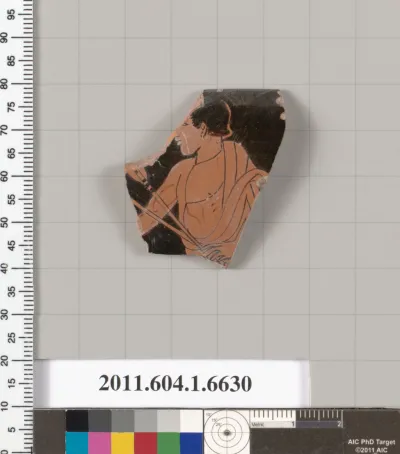
Terracotta rim fragment of a kylix (drinking cup)
RF
Kylix
· 490–470 BCE
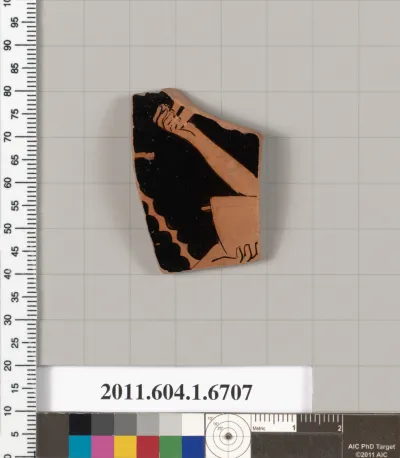
Terracotta fragment of a kylix (drinking cup)
RF
Kylix
· 490–470 BCE
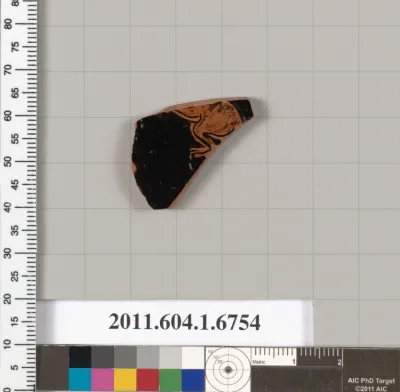
Terracotta fragment of a kylix (drinking cup)
RF
Kylix
· 490–470 BCE
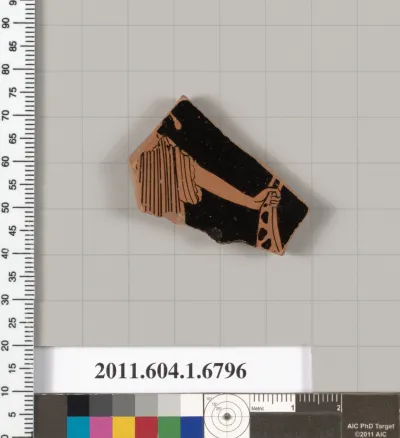
Terracotta fragment of a kylix (drinking cup)
RF
Kylix
· 490–470 BCE
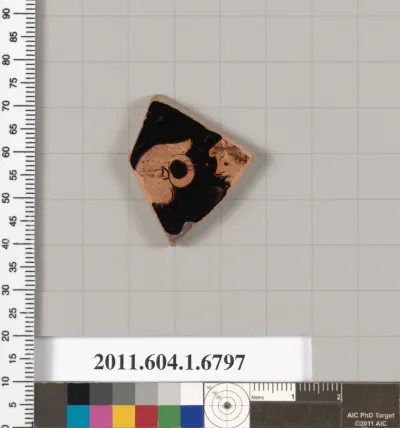
Terracotta fragment of a kylix (drinking cup)
RF
Kylix
· 490–470 BCE
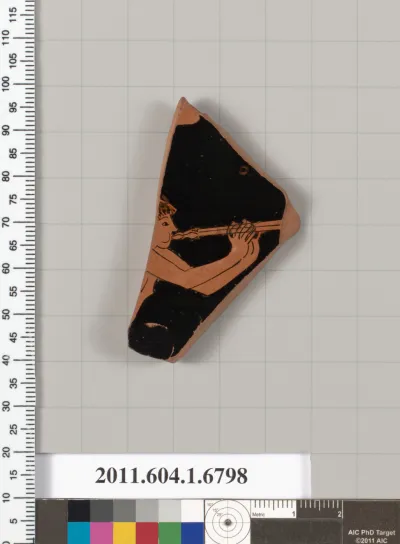
Terracotta fragment of a kylix (drinking cup)
RF
Kylix
· 490–470 BCE
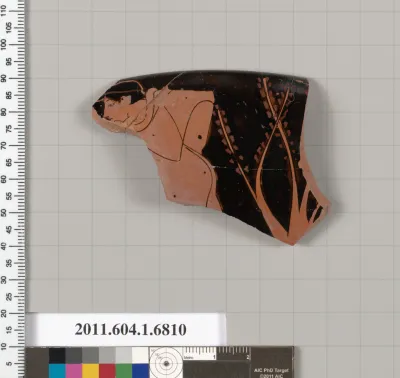
Terracotta rim fragment of a kylix (drinking cup)
RF
Kylix
· 490–470 BCE
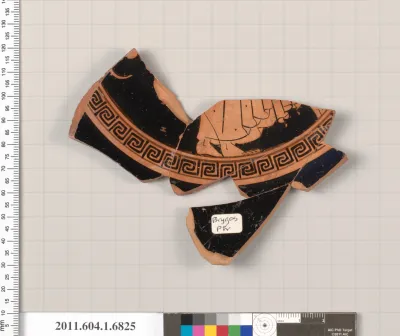
Terracotta fragment of a kylix (drinking cup)
RF
Kylix
· 490–470 BCE

Terracotta fragment of a kylix (drinking cup)
RF
Kylix
· 490–470 BCE
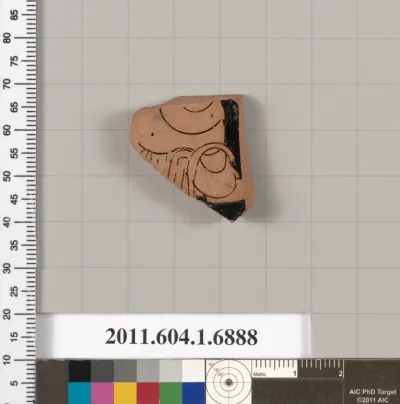
Terracotta fragment of a kylix (drinking cup)
RF
Kylix
· 490–470 BCE
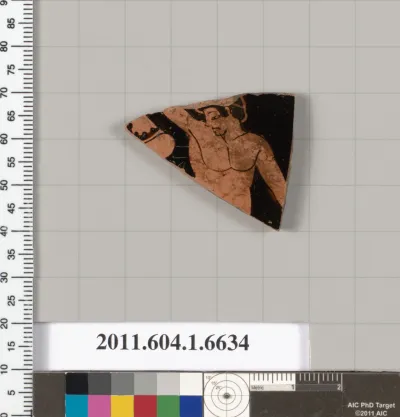
Terracotta fragment of a kylix (drinking cup)
RF
Kylix
· 490–470 BCE
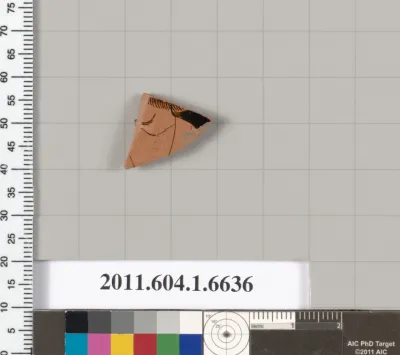
Terracotta fragment of a kylix (drinking cup)
RF
Kylix
· 490–470 BCE
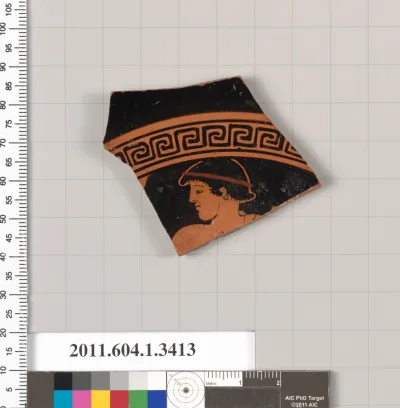
Terracotta fragment of a kylix (drinking cup)
RF
Kylix
· 480–470 BCE
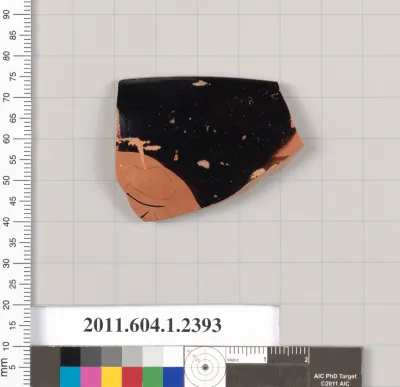
Terracotta rim fragment of a kylix (drinking cup)
RF
Kylix
· 490–480 BCE
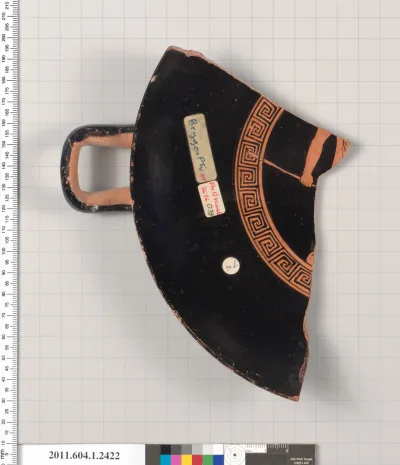
Terracotta fragment of a kylix (drinking cup)
RF
Kylix
· 480–470 BCE
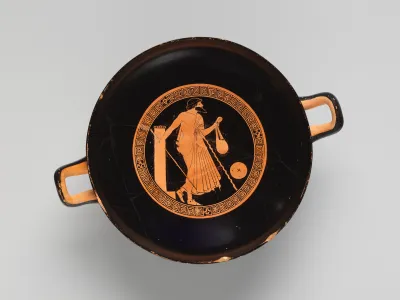
Terracotta kylix (drinking cup)
RF
Kylix
· ca. 490–480 BCE
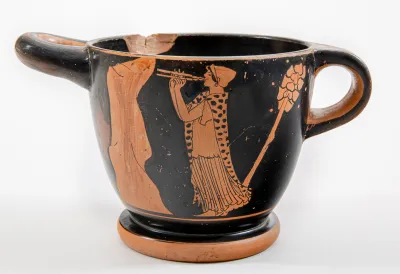
Terracotta skyphos (deep drinking cup)
RF
Skyphos
· ca. 490–480 BCE
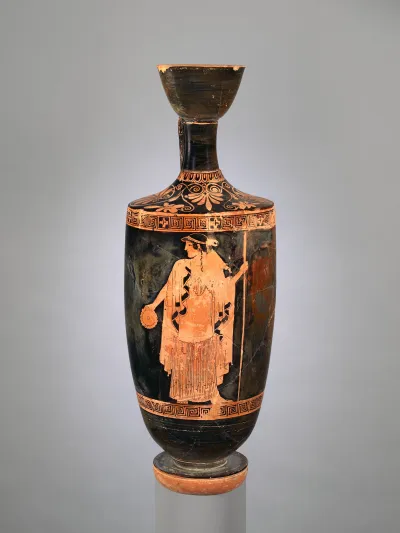
Terracotta lekythos (oil flask)
RF
Lekythos
· ca. 490–480 BCE
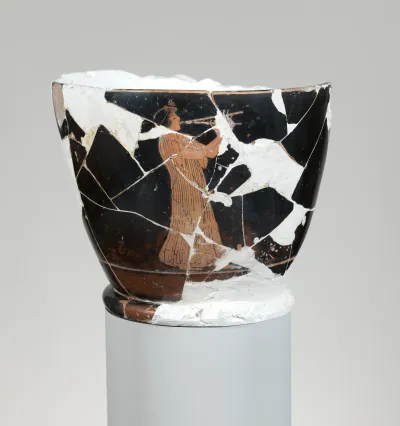
Skyphos
RF
Skyphos
· ca. 490–480 BCE
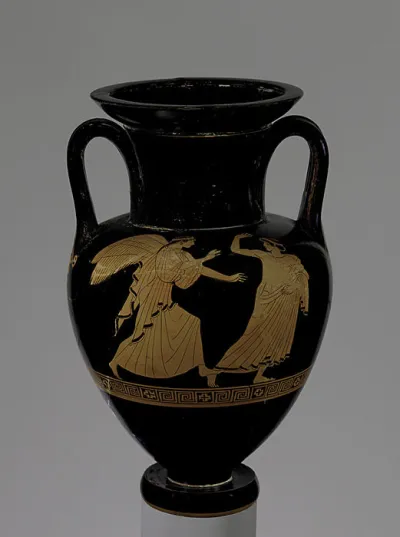
Terracotta Nolan neck-amphora (jar)
RF
Amphora
· ca. 480–470 BCE
Terracotta lekythos (oil flask)
RF
Lekythos
· ca. 480–470 BCE

Lekythos (oil flask): Woman with Balls of Wool
WG
Lekythos
· c. 470 BCE
Images courtesy of The Metropolitan Museum of Art (CC0)