Rhetoric
The theory and teaching of persuasion
6 works in the library
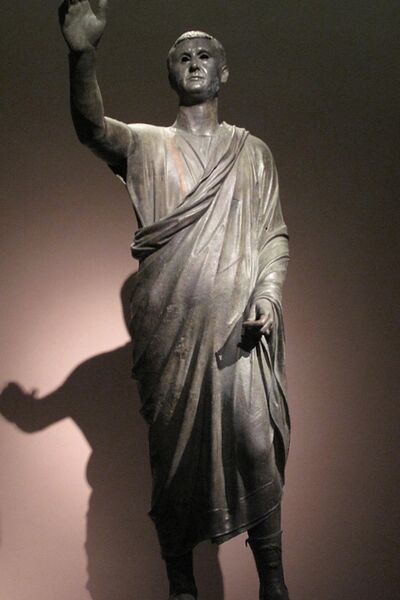
Rhetoric — the art of persuasion — was the foundation of ancient education and the most thoroughly theorised of all literary arts. From the fifth century BC, when Corax and Tisias in Syracuse first codified techniques of argument, through Aristotle's systematic Rhetoric, to the comprehensive training programmes of the Roman schools, the study of how to speak and write effectively shaped every genre of ancient literature.
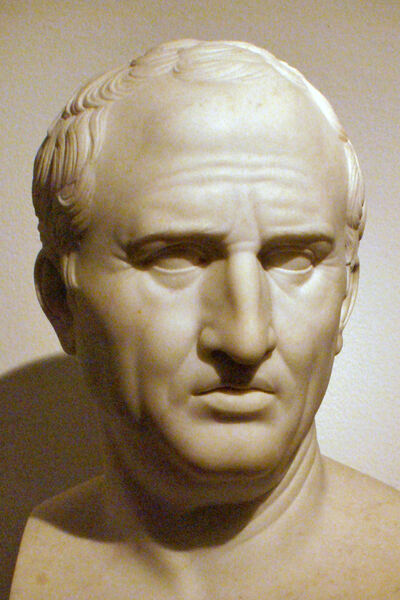
The Roman rhetorical tradition found its fullest expression in Cicero's treatises — De Oratore, Brutus, and Orator — which defined the ideal orator as a man of broad culture, philosophical depth, and mastery of every register of style. Quintilian's Institutio Oratoria, a twelve-book programme of education from infancy to the completed orator, is the most comprehensive ancient work on the subject, combining practical instruction with literary criticism, ethical reflection, and a vision of rhetoric as the art of the good man speaking well.
The tradition also produced works of pure literary criticism. The anonymous On the Sublime (attributed to "Longinus") is a treatise on literary greatness that ranges across Homer, Plato, Demosthenes, and Sappho with an enthusiasm and critical intelligence that remain infectious. Horace's Ars Poetica and Aristotle's Poetics — which shaped the theory of tragedy for centuries — belong to this broader tradition of thinking about what makes language powerful and literature great.