Letters
The epistolary tradition from Cicero to Pliny
10 works in the library
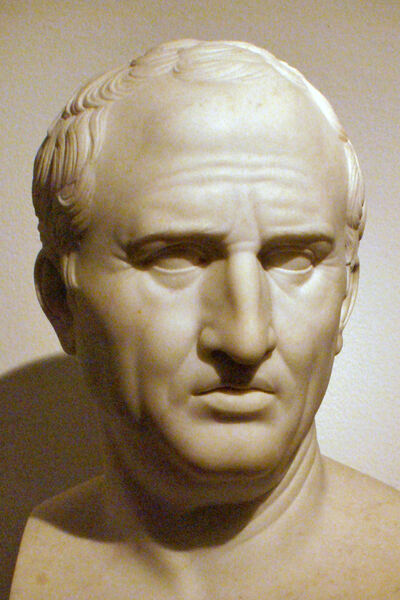
The ancient letter was both a practical instrument and a literary form. Cicero's correspondence — over 900 letters surviving, mostly to his friend Atticus and his brother Quintus — provides the most detailed portrait of a Roman life that we possess. Written without thought of publication, these letters reveal the political intrigues, personal anxieties, financial worries, and intellectual enthusiasms of a man at the centre of the late Republic's convulsions. They are indispensable historical documents, but they are also vivid, intimate, and often very funny.
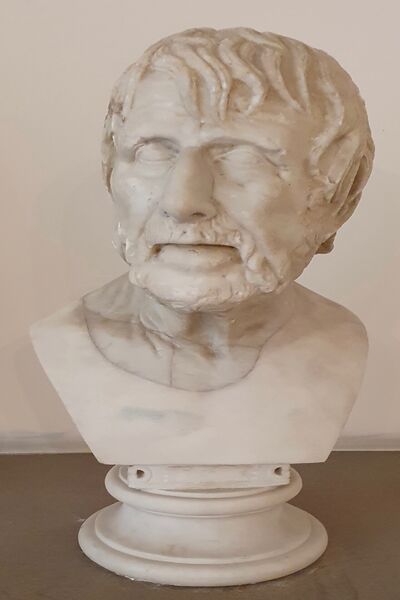
The literary epistle — the letter composed for publication — was a different matter. Horace's Epistles used the letter form as a vehicle for philosophical reflection and literary criticism, culminating in the Ars Poetica, which became the most influential treatise on poetry in the Western tradition. Seneca's Moral Letters to Lucilius adapted the form for Stoic philosophy, each letter taking up a practical question of ethics and exploring it with the directness of personal address.
Pliny the Younger perfected the literary letter as a miniature essay. His collection, carefully arranged for publication, covers the full range of Roman upper-class life under Trajan: legal cases, country houses, ghost stories, the eruption of Vesuvius (which killed his uncle), the governance of provinces, and the proper treatment of Christians. His letters to Trajan from Bithynia are among the most important administrative documents from the Roman Empire. Together, these epistolary collections preserve voices speaking across the centuries with an immediacy that no other genre can match.
Works