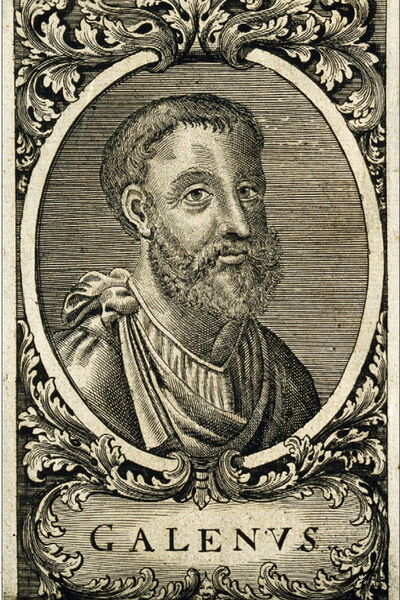
Aretaeus Cappadox
Aretaeus of Cappadocia
The Hippocrates of the second century
b. fl. c. 1st–2nd century AD
Aretaeus of Cappadocia was a Greek physician who probably practised in the first or second century AD, though his exact dates are uncertain. Almost nothing is known of his life. His surviving works — on the causes, signs, and treatment of acute and chronic diseases — mark him as one of the finest clinical observers in ancient medicine.
Aretaeus was an eclectic who drew on multiple medical traditions but was closest to the pneumatist school, which emphasised the role of pneuma (breath or spirit) in health and disease. His clinical descriptions are extraordinarily vivid and precise. His account of diabetes mellitus — he gave the disease its name, from the Greek for 'siphon' — remains famous: he describes the unquenchable thirst, the copious urination, and the wasting of the flesh with a clarity that any modern physician would recognise.
He also left memorable descriptions of epilepsy, tetanus, diphtheria, and mental illness. His prose style, which deliberately imitates the Ionic dialect of Hippocrates, is unusually literary for a medical writer. He is the rare ancient physician who can be read with pleasure as well as profit.
Works (4)
-
1
De causis et signis acutorum morborum libri duo prose
A treatise on the causes and symptoms of acute diseases — fevers, pneumonia, tetanus. Aretaeus writes with a clarity and clinical precision unusual in...
-
2
De causis et signis diuturnorum morborum libri duo prose
A companion treatise on the causes and symptoms of chronic diseases — epilepsy, diabetes, paralysis.
- 3
- 4